
Blog
By Amanda Oldfield
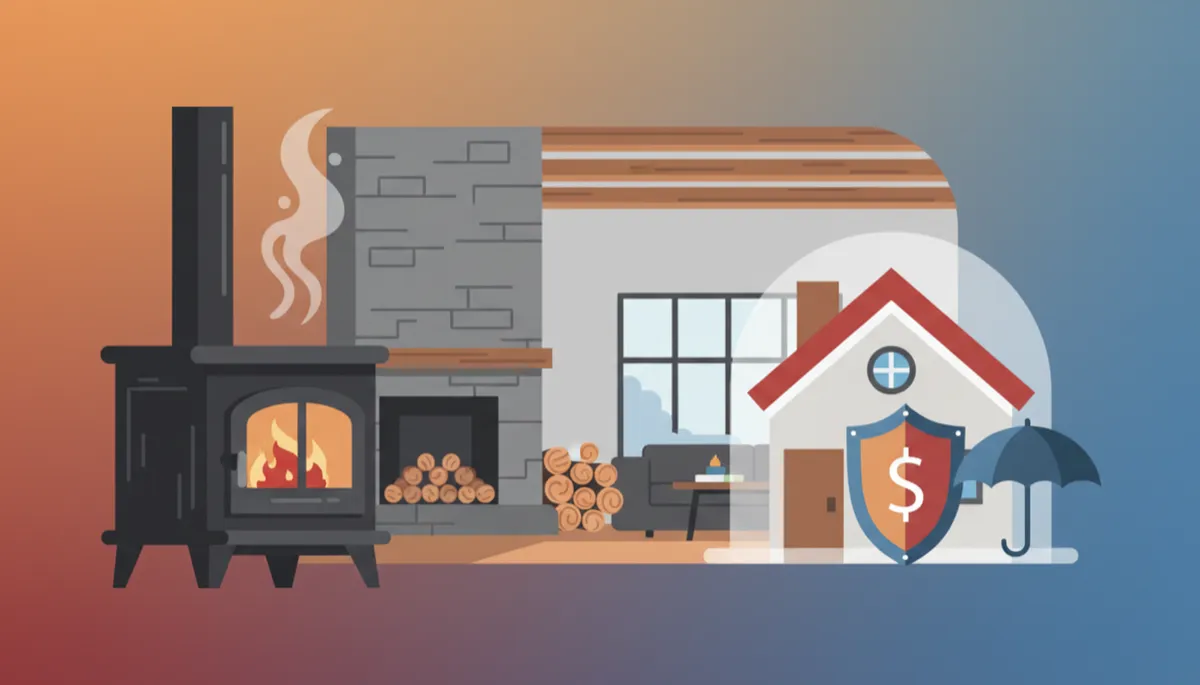
Woodstoves & Home Insurance: What You Need to Know
Home Insurance, Woodstoves, Home Safety
What Buyers Should Know About Woodstoves and Home Insurance
Thinking about adding a cozy woodstove to your home? Before you fall in love with the crackle of a real fire, it’s important to understand how woodstoves affect safety, maintenance, and your home insurance coverage.
1. What Buyers Should Know About Woodstoves
A woodstove can add warmth, charm, and even reduce heating bills, but it’s also a serious heat-producing appliance. Before buying a home with a woodstove or installing one in your current home take time to look beyond appearances and ask key questions about safety and compliance.
Check Certification and Age of the Stove
Modern units are typically certified by recognized testing organizations and meet current emissions and safety standards. Older or homemade stoves may burn less efficiently, create more creosote, and be harder or even impossible for insurers to accept. Ask for:
The make, model, and approximate installation date
Proof of certification or a visible certification label on the unit
Installation Matters as Much as the Stove
Even the safest stove can be dangerous if it’s installed incorrectly. Clearances from walls and furniture, the type of chimney, floor protection, and venting all need to meet local building codes and the manufacturer’s instructions. Ideally, installation should be done or inspected by a qualified professional. When buying a home, ask for:
Installation receipts or documentation from a licensed installer
Any permits or inspection reports related to the woodstove
💡 Pro Tip: If no paperwork exists, consider hiring a certified chimney or woodstove professional to inspect the system before you finalize a purchase.
Ongoing Maintenance and Safe Use
Woodstoves require regular attention. Creosote buildup in chimneys can lead to chimney fires, and burning the wrong materials can damage the stove or release toxic fumes. Most experts recommend:
Annual chimney cleaning and inspection by a professional
Burning only seasoned, dry firewood never garbage or treated lumber
Keeping working smoke and carbon monoxide alarms on every level of the home
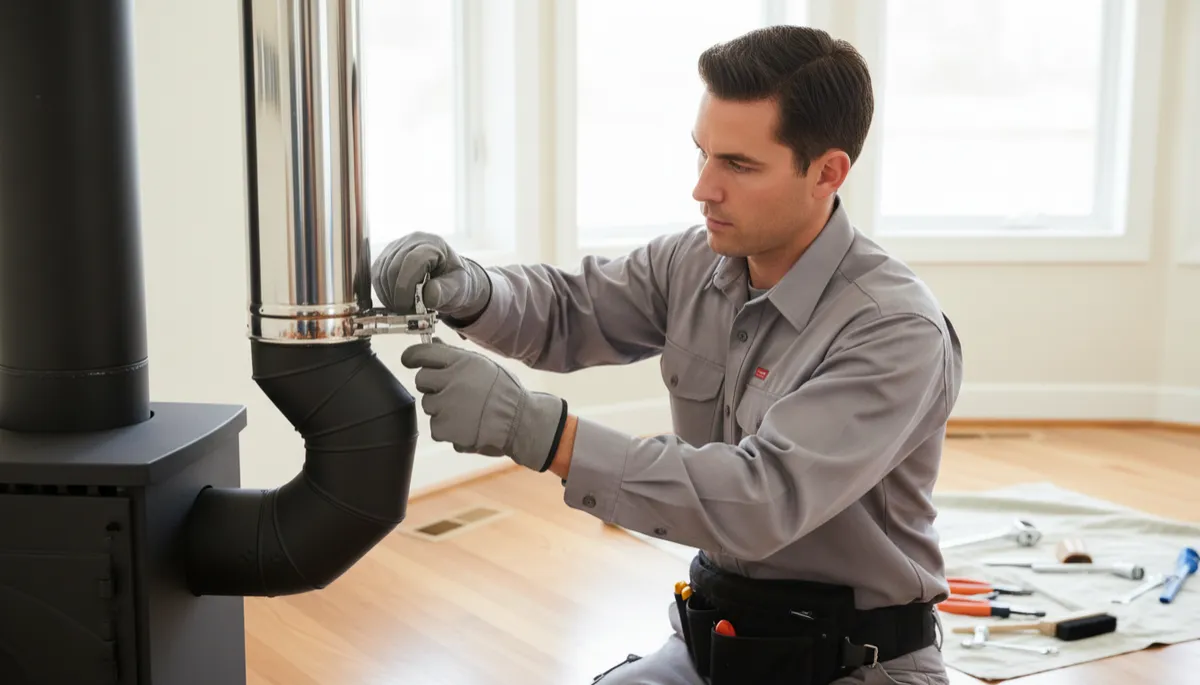
Annual professional inspections can catch small issues before they become costly claims.
2. How Woodstoves Affect Your Home Insurance
Woodstoves increase the risk of fire, so insurers pay close attention to them. That doesn’t mean you can’t get coverage, but you should be prepared for extra questions, possible inspections, and sometimes higher premiums if the risk is greater than average.
Disclosure Is Essential
When you apply for home insurance whether you’re buying a new home or updating an existing policy you must tell your insurer about any woodstoves. Failing to disclose a solid-fuel appliance could lead to problems if you ever need to file a claim, especially for fire damage. Be ready to share:
The type of woodstove (freestanding, insert, pellet, etc.)
Age, certification details, and who installed it
Inspections, Documentation, and Conditions
Many insurers require proof that the woodstove is installed to code and in good condition. This may mean:
A recent inspection report from a certified chimney or woodstove professional
Photos of the stove, chimney, and surrounding area to confirm clearances
Proof that any required permits were obtained at the time of installation
In some cases, an insurer may approve coverage only if specific conditions are met such as upgrading an old stove, adding a proper hearth pad, or lining the chimney. These conditions are usually outlined clearly in your policy documents or in a written notice.
Premiums, Exclusions, and Shopping Around
Because woodstoves increase fire risk, some insurers may charge a slightly higher premium or apply a higher deductible for fire claims. Others may decline coverage for certain types of stoves, such as old, uncertified, or homemade units. If you’re planning to buy a home with a woodstove, it’s wise to:
Contact your current insurer before you make an offer, to confirm whether the stove is acceptable
Compare quotes from multiple companies—some are more woodstove-friendly than others
📌 Key Takeaway: A safe, properly documented woodstove is far easier to insure than an older, uncertified, or DIY installation.
Bringing It All Together: Comfort, Safety, and Coverage
A woodstove doesn’t have to be a deal-breaker when you’re buying a home—or a headache for your insurance. By confirming certification, ensuring proper installation, committing to regular maintenance, and communicating openly with your insurer, you can enjoy the warmth of a real fire with confidence. Before you strike the first match, make sure your home, and your coverage, are prepared.



Follow us