
Blog
By Amanda Oldfield
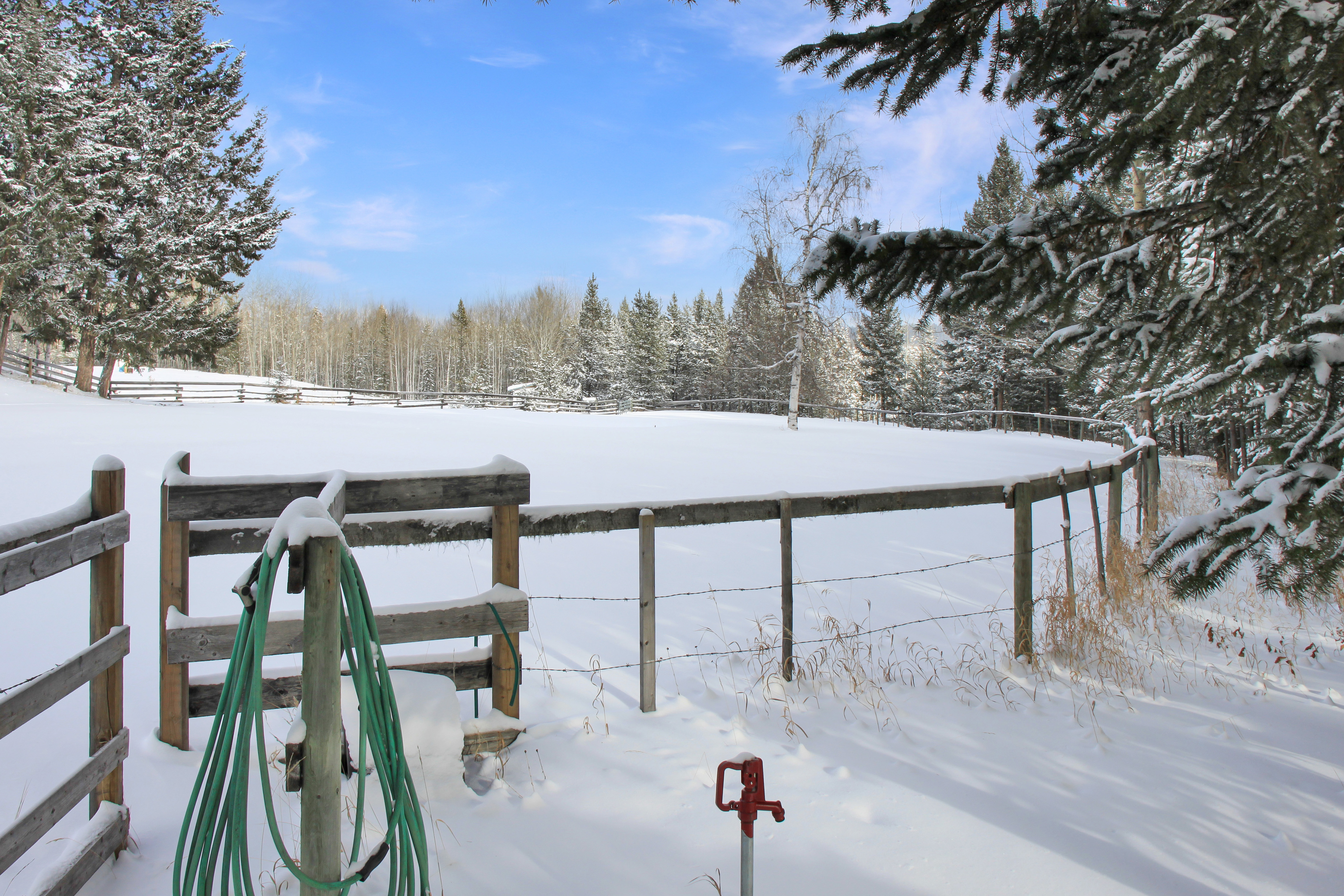
What is winter really like in Interlakes, BC?
If you’re thinking about moving to Interlakes, BC, especially from the Lower Mainland, this question usually comes up sooner or later:
“What is winter really like up there?”
Online, you’ll find everything from horror stories to overly rosy descriptions. The reality — like most things in rural living — sits somewhere in the middle.
The truth is this:
Winter in Interlakes is very manageable for the right people — but it’s not passive.
In this article, I’ll walk you through what winter is actually like in Interlakes, what surprises people most, and who tends to thrive (or struggle) once the snow arrives.
Why winter is such a big concern for some buyers and retirees
For many people relocating from the Lower Mainland, winter is unfamiliar territory.
In the city, winter often means:
Rain
Slush
Occasional snow that disrupts everything
In Interlakes, winter is a season, not an interruption.
Understanding that difference is the key to feeling confident instead of anxious.
What winter weather is really like in Interlakes
Cold, but predictable
Yes — it gets cold. But it’s a dry cold, which many people find more comfortable than damp coastal winters. It lasts for quite a while, we have snow on the ground for a solid 4 months, but it is only very cold (-25 or colder) for a few weeks.
What surprises newcomers most is not the temperature — it’s how consistent winter is. You’re not dealing with constant freeze-thaw cycles or unpredictable conditions. Once winter is here it stays and there is just a few weeks of mud season on each end.
Snow is normal — and expected
Snowfall is part of everyday life in Interlakes.
That means:
Snow tires are not optional
Snow removal is routine
Driveways and access matter a lot
People who prepare properly often say snow becomes background noise, not a daily stress.
Access and roads: what really matters
One of the biggest factors in winter comfort is access.
Important questions include:
Is the property on a maintained road?
Is it a private road, and who maintains it?
How long is the driveway?
Is year-round access reliable?
Winter challenges usually aren’t about snow itself — they’re about poor access planning.
Power, heat, and being prepared
Winter living in Interlakes requires a bit more self-sufficiency.
Most homes rely on:
Wood heat, electric heat, or a combination
Backup power planning
Proper insulation and winterization
This isn’t about fear — it’s about mindset. Retirees who enjoy planning and preparedness tend to feel confident very quickly.
What retirees and relocators often underestimate
Shorter daylight hours
This can be an adjustment, especially for people used to busy, bright city winters.
Many residents adapt by:
Embracing quieter routines
Enjoying indoor hobbies
Spending daylight hours outdoors
Driving conditions require confidence
Winter driving is part of daily life. With proper tires, experience, and caution, most people adjust well — but it’s important to be honest about comfort levels. And keep in mind, the snow here is not like on the coast, it is not so slushy, or slippery (most of the time).
What people often overestimate about winter
Interestingly, many newcomers expect winter to be:
Constantly extreme
Isolating
Miserable
In reality, many residents describe winter as:
Quiet
Peaceful
Beautiful
A welcome slowdown
The key difference is expectation vs reality.
Client-style perspective: “Winter isn’t the problem — rushing was”
I’ve worked with several couples who were nervous about how long winter is before moving to Interlakes.
The ones who worried often talked about how gray it is on the coast — they were surprised that we have so much sunshine. They were excited to learn that it isn't gray here in the winters most days. But the colder days are sunnier.
“Winter is just part of life here — and we actually enjoy the quiet and love the sunshine.”
Who tends to thrive in Interlakes winters
You’re likely to do well if you:
Enjoy quieter seasons
Are comfortable planning ahead
Don’t mind snow as part of daily life
Like a slower winter pace
Value peace over constant activity
Who may struggle with winter in Interlakes
Winter can feel challenging if you:
Expect city-level convenience year-round
Dislike driving in winter conditions
Don’t want responsibility for snow or heating
Feel anxious about isolation
There’s no judgment here — just honesty.
Frequently asked questions about winter in Interlakes
Is winter worse in Interlakes than in 100 Mile House?
Conditions are similar, but access and property setup matter more than exact location. It can be a little colder in Interlakes, but not always.
Do people leave for the winter?
Some do seasonally, but many live here comfortably year-round.
Is winter dangerous?
With preparation and common sense, most people find it manageable. We slow down when driving, we check on our neighbours when it is cold or snowing a lot.
Does winter affect resale value?
No — but properties with good access and winter readiness always perform better.
Final thoughts: winter is part of the lifestyle, not a deal-breaker
Winter in Interlakes isn’t something to fear — but it is something to respect.
For people who value quiet, space, and intentional living, winter often becomes one of the most appreciated seasons. For others, it’s a clear signal that rural living may not be the right fit.
The key is knowing yourself — and planning accordingly.
If you’re considering a move to Interlakes and want to talk honestly about whether winter living makes sense for you, I’m always happy to help you think it through.
Amanda Oldfield
Amanda Oldfield Realtor – Exp Realty
96 Hwy 97, 100 Mile House, BC
250-318-5202