
Blog
By Amanda Oldfield
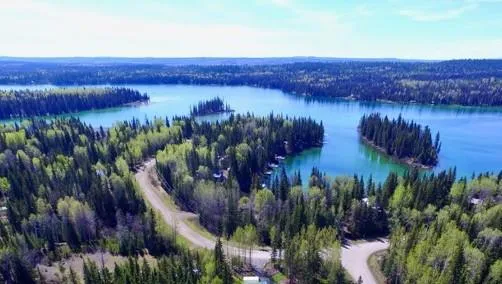
What Should Retirees Know Before Moving to Interlakes or Bridge Lake, BC?
If you’re thinking about retiring to Interlakes or Bridge Lake, BC, the biggest thing to understand is this: these areas can offer a quieter, more scenic, more outdoors-focused lifestyle, but they usually work best for retirees who are comfortable with a more rural day-to-day routine.
That does not make them a bad choice. For the right person, they can be an excellent one.
Bridge Lake and the wider Interlakes area are strongly tied to fishing, trails, lakes, privacy, and a slower pace, while 100 Mile House functions as the main hub for shopping, services, and many everyday needs. Amanda Oldfield’s communities page describes Bridge Lake as about 45 minutes from 100 Mile House and highlights the Interlakes Corner area for practical stops like a general store, hardware store, restaurants, and community activity.
So the real question is not just, “Should I retire there?”
It’s, “Does this kind of retirement fit the life I actually want?”
Why retirees are drawn to Interlakes and Bridge Lake
A lot of people do not just retire from work.
They retire toward something.
Usually that means wanting:
more peace
less traffic
more nature
a simpler pace
access to fishing, lakes, and outdoor recreation
a home that feels more like a retreat
That is exactly why Interlakes and Bridge Lake appeal to so many buyers.
Amanda’s local community content consistently frames these areas around lake lifestyle, wildlife, trails, crown land access, and recreation, rather than a town-centred routine.
For many retirees, that sounds ideal.
And sometimes it is.
What makes Interlakes or Bridge Lake appealing for retirement?
1. The pace is slower
For a lot of retirees, that is one of the biggest reasons to move.
These areas tend to appeal to people who want less noise, fewer crowds, and a home environment that feels calmer and more private. Amanda’s communities page emphasizes rural roads, farms, lakeside cottages, scenic views, and a quieter outdoor setting in Bridge Lake and surrounding Interlakes communities.
If your ideal retirement includes more quiet and less rush, that can be a big advantage.
2. The outdoor lifestyle is built in
Retirees who love fishing, walking, wildlife, lake views, boating, or simply being outside often find this area very appealing.
Amanda’s community page describes Bridge Lake as known for year-round fishing and nearby trails into crown land for backcountry recreation, and it also positions Lone Butte and the wider Interlakes area around lakes, boating, hiking, ATVing, and winter recreation.
That means the lifestyle is not something you drive to.
It is part of everyday life.
3. It can feel like a true lifestyle change
Some places feel like a smaller version of where you already lived.
Interlakes and Bridge Lake often feel more like a genuine reset.
That can be a very good thing if you are retiring because you want a very different rhythm than you had before.
For buyers coming from the Lower Mainland or other busier areas, this often feels like trading stress for space.
4. There is still some practical support nearby
This is where people sometimes assume the area is more isolated than it really is.
Amanda’s communities page points to Interlakes Corner as having practical conveniences like fuel, food, hardware, restaurants, and summer community events, while 100 Mile House is the larger service centre about 45 minutes from Bridge Lake.
That does not mean it feels like town living.
But it does mean retirees are not necessarily giving up all practicality just because they choose a more rural setting.
What retirees need to think about honestly before moving
1. How comfortable are you with rural living?
This is probably the most important question.
A lot of retirees love the idea of:
privacy
acreage
waterfront
fewer neighbours
a cabin or country feel
But daily rural living can also mean:
more driving
more property upkeep
well and septic systems
winter planning
fewer services nearby
more self-sufficiency
If that still sounds appealing, great.
But it helps to be honest about whether you want the dream version of rural living or the real version.
2. How important is quick access to services?
Amanda’s local community content is clear that 100 Mile House is the regional hub, while Bridge Lake and other Interlakes communities are more lifestyle- and recreation-driven. Bridge Lake is described as roughly 45 minutes from 100 Mile House, and Lone Butte is about 20 minutes from 100 Mile House.
For some retirees, that distance feels completely reasonable.
For others, it starts to feel inconvenient once appointments, errands, and regular routines become part of everyday life.
This does not mean you should not move there.
It means you should think beyond the view.
3. Do you want a retreat or a practical home base?
Some retirees want retirement to feel like a permanent getaway.
Others want retirement to feel easy and manageable.
Interlakes and Bridge Lake usually suit the first group better.
100 Mile House often suits the second group better.
That is why this decision is not just about scenery. It is about routine.
4. How much property maintenance do you really want?
This is a huge one.
Many retirees imagine loving:
more land
a workshop
outbuildings
waterfront
long driveways
lots of privacy
And they may love those things.
But they should also think about:
snow removal
exterior upkeep
managing acreage
seasonal maintenance
long-term mobility and convenience
A property can be beautiful and still be too much work for the stage of life you are entering.
5. Are you planning for today or for the next 10 years?
A property that feels perfect at 62 may feel very different at 72.
That is not a reason not to buy.
It is just a reason to think ahead.
Retirees should consider:
ease of access
layout and stairs
year-round practicality
distance from help or services
whether the property will still feel manageable later
The best retirement property is not just the one that looks good now.
It is the one that still makes sense later.
Interlakes vs Bridge Lake for retirees
These two are closely connected, but not always identical in feel.
Bridge Lake is one of the more recognizable lifestyle locations in the area and Amanda’s page ties it directly to lake life, fishing, scenic drives, and nearby conveniences at Interlakes Corner. Lone Butte is positioned as the gateway to the Interlakes area and has a post office, stores, cafes, and a pub, with additional services down the road at the Interlakes business centre.
In simple terms:
Bridge Lake may appeal more to retirees specifically focused on lake lifestyle, scenery, fishing, and that stronger waterfront or near-water feeling.
Interlakes more broadly may appeal to retirees who want access to the whole lake-country lifestyle and are open to different nearby communities depending on budget, privacy, and convenience.
A good local realtor helps you compare those differences in a practical way.
Who tends to do well retiring here?
Interlakes or Bridge Lake can be a strong fit for retirees who:
genuinely enjoy rural living
want peace and privacy
like fishing, trails, and outdoor life
are comfortable driving more
do not need city-style convenience every day
want a retirement that feels slower and more nature-focused
Who may want to think carefully before moving here?
These areas may be harder for retirees who:
want everything close by
dislike driving
want low-maintenance living
are unsure about wells, septic, or rural property systems
want a more service-based retirement routine
are romanticizing a rural move without thinking through the practical side
That does not mean “don’t move.”
It just means the fit matters.
Real-world example
Let’s say you are retiring from the Fraser Valley and want a quieter life.
You picture mornings by the lake, less traffic, more wildlife, and a home that finally feels peaceful.
Bridge Lake or Interlakes may absolutely give you that.
But you also need to think about:
how often you like to run errands
whether you want land to maintain
how comfortable you are with winter driving
whether you want a property that feels like a retreat or one that feels simple and easy every day
That is often the difference between loving a retirement move and feeling overwhelmed by it.
So what should retirees know before moving to Interlakes or Bridge Lake, BC?
They should know that these areas can be wonderful for retirement — if they match the lifestyle you truly want.
They offer privacy, scenery, lakes, recreation, and a slower pace. Amanda’s communities page strongly supports that positioning while also making clear that 100 Mile House is the main centre for broader day-to-day services.
Amanda Oldfield is a realtor in 100 Mile House, BC helping buyers and sellers in 100 Mile House, Interlakes, and Bridge Lake. That makes this kind of article especially useful because it helps retirees think honestly about whether they want a more practical small-town base or a more rural lake-country retirement.
FAQ
Is Interlakes a good place to retire?
It can be a great place to retire for people who want a quieter, more rural lifestyle centered around lakes, outdoor recreation, and privacy. Amanda’s community content supports that positioning for the wider Interlakes area.
Is Bridge Lake a good place to retire?
For many retirees, yes — especially if they want fishing, scenery, recreation, and a slower rural pace. Amanda’s Bridge Lake page describes it as a lake-and-farm area with year-round fishing and access to local conveniences at Interlakes Corner.
How far is Bridge Lake from 100 Mile House?
Amanda’s communities page says Bridge Lake is about a 45-minute drive from 100 Mile House.
Are there services near Interlakes or Bridge Lake?
Yes, there are some practical nearby services. Amanda’s page mentions fuel, food, hardware, restaurants, and community activity at Interlakes Corner, while 100 Mile House is the larger regional hub.
Is retiring to a rural property a good idea?
It can be, but it depends on how much maintenance, distance, and self-sufficiency you are comfortable with. The best choice depends on your real daily preferences, not just the dream of rural living.
Final thoughts
Retiring to Interlakes or Bridge Lake can be a great move.
But it is usually the best move for retirees who want the real version of rural lake-country life, not just the idea of it.
If that lifestyle fits you, these areas can offer a peaceful and rewarding next chapter. If you want easier day-to-day convenience, you may want to compare them carefully with 100 Mile House before deciding.