
Blog
By Amanda Oldfield
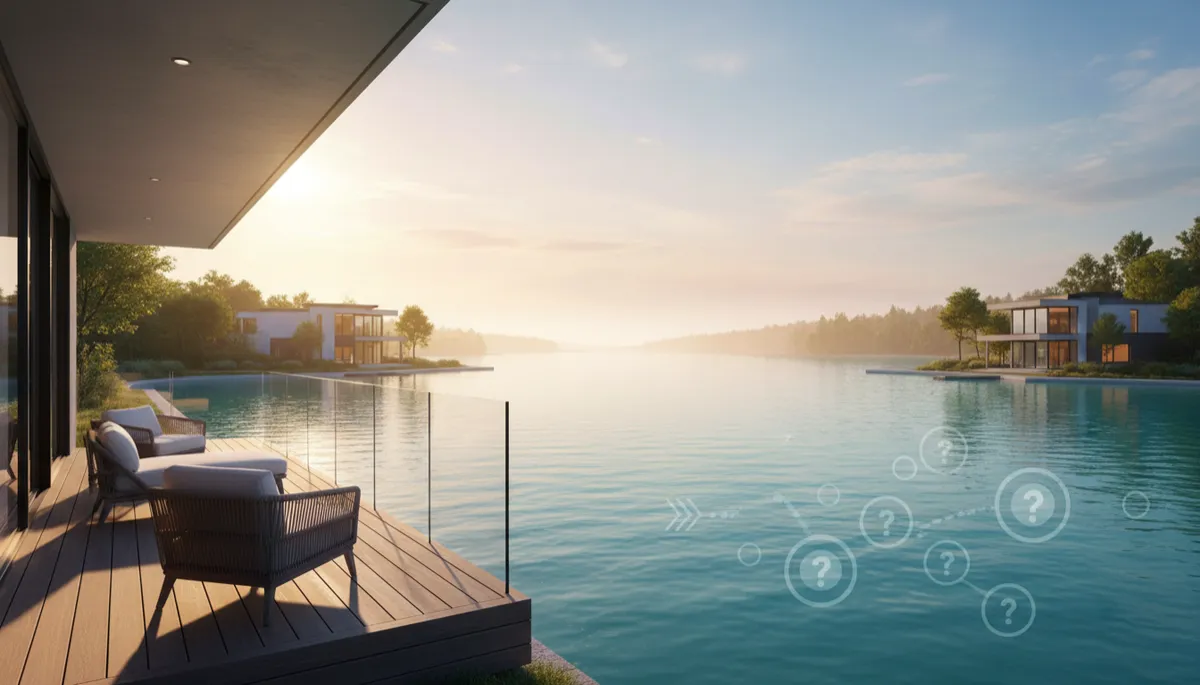
Essential Questions for Buying Waterfront Property
Real Estate, Waterfront Property
Buying Waterfront Property: Questions to Ask Before You Fall in Love
A sparkling shoreline can steal your heart in seconds but before you make an offer on that dream home by the water, you need to ask the right questions. Waterfront property brings unique rewards and equally unique risks. This guide walks you through what to consider before emotions take over.
Start With the Basics: Why Waterfront, and Which Kind?
Before diving into specifics, get clear on why you want a waterfront property. Is it for boating, swimming, fishing, rental income, or simply the view? Your reasons will shape everything from location to budget. A quiet lakefront cabin, a riverfront cottage, and an oceanfront condo all offer very different lifestyles, maintenance needs, and risk profiles.
Questions to Ask About the Water Itself
What are the typical water levels and seasonal changes? Ask about droughts, flooding history, tides, and how far the shoreline shifts throughout the year. A dock that looks perfect in summer may be unusable in winter or during low-water periods.
Is the water safe for swimming and recreation? Check for water quality reports, algae blooms, pollution concerns, and boating regulations. Some lakes or rivers have restrictions on motorized boats, wake sports, or fishing.
Who controls the water level? Reservoirs and dam-controlled lakes can experience sudden changes. Find out which agency or utility manages the water and what their policies are.
Access, Ownership, and Use: What Are You Really Buying?
Not all “waterfront” listings offer the same level of access. Before you fall in love with the view, clarify:
Do you own to the waterline, or is there public land? In some areas, the government or a utility owns a strip of land between your property and the water. That can affect privacy, access, and what you’re allowed to build.
Are there easements or shared access paths? Neighbors may have legal rights to cross your land to reach the shore. Understand any existing easements and how they’re used in practice.
What are the rules for docks and structures? Many lakes, rivers, and coastal zones have strict regulations on docks, seawalls, boat lifts, and decks. Ask whether the current structures are permitted and what’s allowed if you want to expand or replace them.
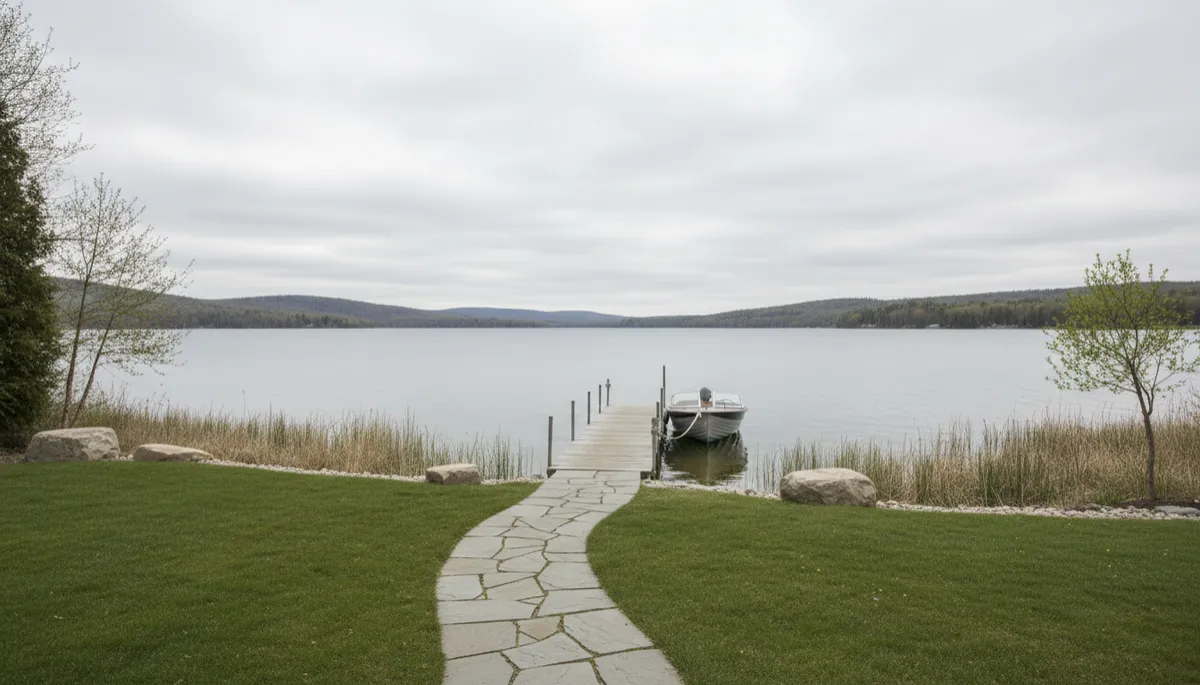
Clarify exactly what shoreline, dock rights, and access you own before you commit.
Safety, Flood Risk, and Insurance Costs
Waterfront beauty often comes with higher exposure to storms, erosion, and flooding. Ask these questions early:
Is the property in a designated flood zone? Request current flood maps and any elevation certificates. Being in a high-risk zone can significantly increase insurance premiums and may affect your lender’s requirements.
What is the history of flooding and storm damage? Go beyond disclosures. Talk to neighbors, review local news archives, and ask for records of past insurance claims or major repairs.
How much will homeowners and flood insurance cost? Get quotes before you make an offer. Insurance can turn a seemingly affordable home into a financial stretch.
Maintenance, Erosion, and Long-Term Upkeep
Water, wind, and humidity are hard on buildings and land. Waterfront ownership means planning—and budgeting—for extra care. Ask:
What erosion control measures are in place? Look for seawalls, riprap, or natural vegetation. Ask whether the shoreline is stable and what it might cost to reinforce it in the future.
How has the home been protected against moisture and salt? For coastal properties, materials and maintenance are critical. Inquire about corrosion-resistant fixtures, roofing, siding, and recent inspections for mold or rot.
What are typical annual upkeep costs? Docks, lifts, landscaping, and shoreline work all add up. A realistic maintenance budget helps you decide whether the dream is sustainable.
Community Rules, Noise, and Lifestyle Fit
A waterfront setting can be peaceful or surprisingly busy. Before you fall in love with the idea of coffee on the deck at sunrise, ask:
What are the local rules and HOA regulations? Some communities limit rentals, boat sizes, wake hours, or exterior changes. Make sure the rules match how you plan to use the property.
How busy is the waterway at peak times? Visit on weekends and holidays, not just quiet weekdays. The atmosphere may change dramatically with boat traffic, music, and visitors.
💡 Pro Tip: Talk to neighbors on the shoreline. They can share candid insights about noise, water levels, and unspoken community norms that listings never mention.
Balancing Emotion and Due Diligence
Buying waterfront property is as much an emotional decision as a financial one. It’s easy to fall for the view and overlook the details that truly matter. By asking careful questions about the water, access, safety, maintenance, and lifestyle, you protect both your investment and your peace of mind.
When you combine a property you love with clear answers and thorough due diligence, you’re far more likely to end up with a waterfront home that delights you for years long after the first rush of infatuation has passed.



Follow us