Blog
By Amanda Oldfield
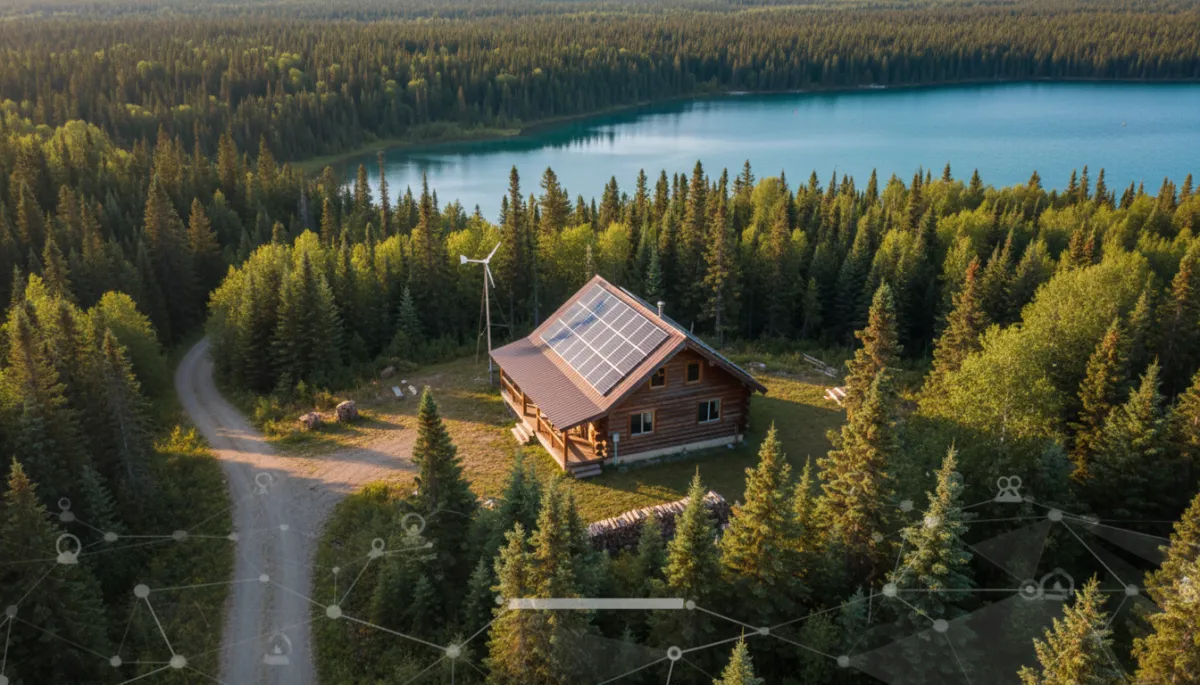
Off-Grid Living in Cariboo: Buyer's Guide
Real Estate, Off-Grid Living, Cariboo BC
Off-Grid and Remote Properties in the Cariboo: What Buyers Should Know
Dreaming of a quiet lakefront cabin or a forest hideaway in British Columbia’s Cariboo? Off-grid and remote properties can offer privacy, self-sufficiency, and big skies along with unique responsibilities and financing hurdles that traditional suburban homes simply don’t have.
What “Off-Grid” and “Remote” Mean in the Cariboo
In the Cariboo, “off-grid” usually means a property that is not connected to BC Hydro power or municipal water and sewer. “Remote” often adds another layer: longer distances to services, limited winter maintenance, and sometimes seasonal road access only. These homes can be full-time residences, recreational cabins, or income-producing short-term rentals.
Before you fall in love with a log cabin listing, it helps to understand how power, water, access, and financing work together. Below is an FAQ-style guide to the most common questions buyers ask about off-grid Cariboo properties.
FAQ: Power Options for Off-Grid Cariboo Properties
Q: How do off-grid homes in the Cariboo typically get power?
Most off-grid homes rely on a combination of solar panels, battery storage, generators, and sometimes wind or micro-hydro. Under B.C.’s Water Regulation, residential power systems under 50 kW are considered small-scale and can be used for on-site generation without triggering the more complex provincial permitting that large commercial projects face (see bclaws.gov.bc.ca).
Q: Are there special permits or inspections for off-grid power systems?
Yes. Even if you never connect to BC Hydro, your electrical system must meet provincial building and electrical codes. The Cariboo Regional District (CRD) building bylaw requires safe design for any dwelling, including wiring, panels, and backup systems (CRD Building Bylaw). Expect to work with a licensed electrician and obtain permits and final inspections, just as you would for a grid-tied home.
Q: Can I connect later if I start fully off-grid?
In some areas, yes if BC Hydro has nearby infrastructure and you are willing to pay the extension costs. In very remote pockets, connection may be impractical or financially unrealistic. Buyers planning to add grid power later should obtain written estimates from BC Hydro early and keep those documents on hand, as some lenders view a clear path to connection more favourably.
💡 Pro Tip: Ask for a recent power usage log or inverter readouts. They reveal how well the existing system actually supports daily life through all seasons.
FAQ: Water, Wells, and Sewage in the Cariboo
Q: Where does water usually come from on off-grid properties?
Common sources include drilled wells, shallow wells, springs, lake intakes, and rainwater collection. Under B.C.’s Water Sustainability Act, drawing from surface sources like lakes and streams generally requires a provincial water licence, and many Cariboo sources are now listed as “fully recorded,” meaning new licences may be refused (BC Water Allocation).
Q: What does the Cariboo Regional District require for water and sewage?
The CRD’s zoning and building bylaws require that every new dwelling show adequate potable water and sewage disposal before a building permit or subdivision is approved (South Cariboo Zoning Bylaw). That usually means:
A well with recent water quality and flow tests, or a licensed surface source; and
An approved septic system or equivalent sewage solution designed by a qualified professional.
Q: Are rainwater or hauled water systems acceptable?
They can be, but you must still show the system can provide safe, reliable potable water that meets health standards. Buyers should review permits, engineering reports, and any test results to confirm the system is recognized by the CRD and the local health authority. An improvised setup that has never been permitted can cause issues during financing, insurance, or resale.
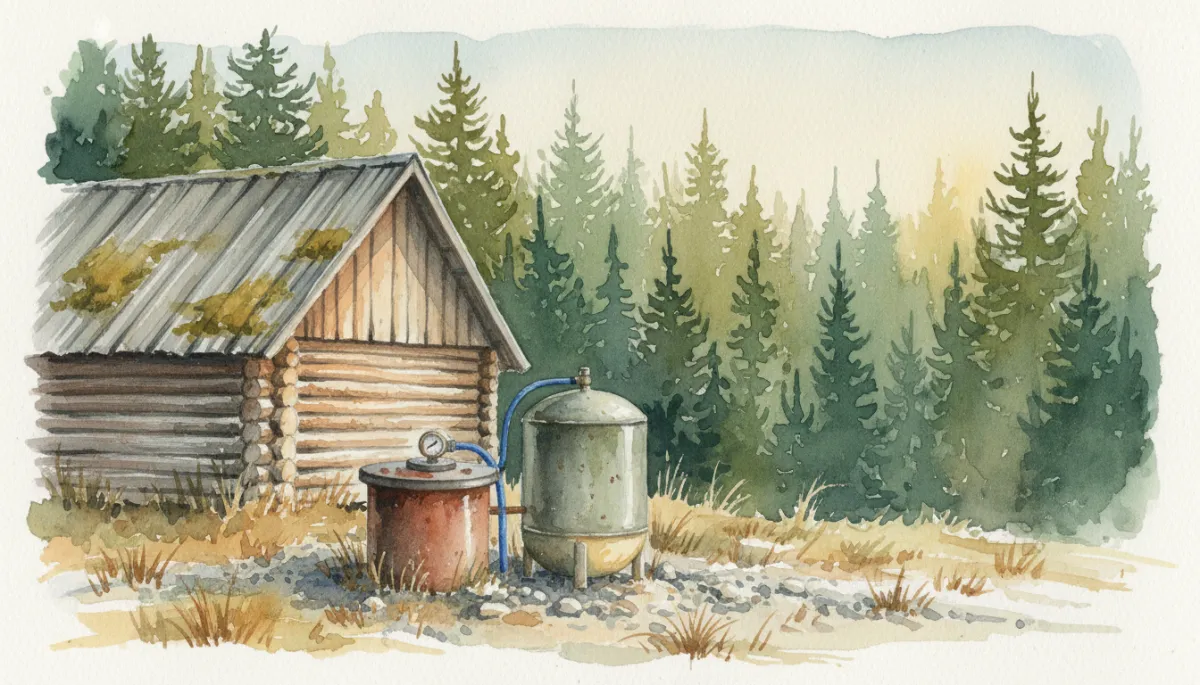
Documented, potable water and septic systems are crucial for permits, financing, and resale value.
FAQ: Road Access and Year-Round Reachability
Q: What should I know about road access to remote Cariboo properties?
Access can range from paved public roads to gravel forest service roads or even private easements across neighbouring land. Key questions include:
Is access legal and registered on title (easements, rights-of-way)?
Who maintains the road province, CRD, a strata, or private owners?
Is it plowed in winter, or is access seasonal only (snowmobile, ATV, or boat)?
Q: Why does road access matter to lenders and insurers?
Lenders and insurers want to know that emergency services can reach the home and that the property is marketable year-round. Seasonal or unreliable access can push a property into “recreational” or “cabin” territory, which may come with different loan products, higher down payments, or even a requirement for all-cash purchases.
📌 Key Takeaway: Get clarity on legal access, written road agreements, and winter maintenance before you remove conditions.
FAQ: Financing Challenges for Off-Grid Homes in the Cariboo
Q: Why is it harder to get a mortgage on an off-grid property?
Off-grid homes are still viewed as non-standard collateral. Mainstream lenders worry about:
Appraisal challenges (few comparable sales for similar off-grid homes).
Resale risk if they ever need to sell the property after default.
Reliability of power, water, and year-round access.
Research from 2026 shows that conventional and government-backed programs in North America typically favour grid-connected, serviced homes. Fully off-grid properties often end up financed through specialty lenders, private financing, or higher down payments rather than standard insured mortgages.
Q: What stricter mortgage requirements might lenders apply to off-grid homes?
Policies vary by institution and change regularly, but as of 2026 many lenders apply tighter criteria to off-grid or remote properties than to typical suburban homes. These can include:
Higher minimum down payments (for example, 20–35% or more).
Stricter debt-service ratios and income verification.
Proof of professionally designed power, water, and septic systems, including permits and inspection reports.
Requirements that the home be accessible year-round and suitable for full-time occupancy, not just seasonal use.
Some conventional mortgage programs in the U.S. and Canada, for example, explicitly favour grid-connected dwellings and may decline fully off-grid cabins altogether, steering buyers toward all-cash purchases or renovation loans that include the cost of connecting to utilities.
Q: Are there alternative financing paths for off-grid properties?
Yes. Depending on your situation, options can include:
Local credit unions or portfolio lenders that keep loans on their own books and can make case-by-case exceptions.
Private or vendor financing, where the seller carries a mortgage for a set period.
Equity from another property, such as a HELOC on your primary residence, to purchase the off-grid home outright.
⚠️ Important: Lender policies for off-grid properties change frequently. Always verify current requirements directly with specific lenders or a mortgage broker before relying on any general guidance.
Pulling It All Together as a Buyer
Off-grid and remote properties in the Cariboo can be deeply rewarding, but they demand more due diligence than a typical in-town purchase. To position yourself for success:
Confirm power, water, and septic are permitted, documented, and sized for your intended use.
Understand exactly how you will access the property year-round and who is responsible for road maintenance.
Speak with multiple lenders early, and ask specifically how they treat off-grid or remote homes in their underwriting.
With the right preparation and realistic expectations about financing your Cariboo off-grid dream can become a comfortable, sustainable reality rather than an expensive surprise.