
Blog
By Amanda Oldfield
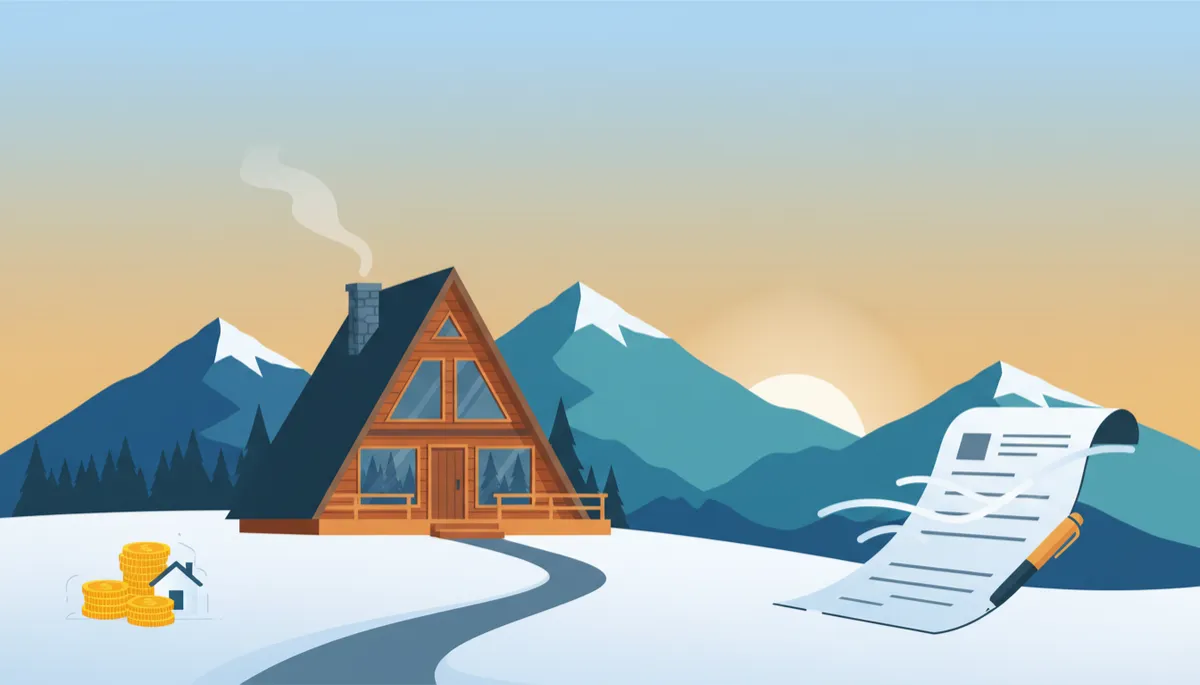
Mortgage Options for Seasonal Cabins
Real Estate, Seasonal Cabins, Mortgages
Can You Get a Mortgage on a Seasonal Cabin?
A seasonal cabin can be the perfect escape, but financing one is not always as straightforward as buying a year-round home. Understanding how lenders view seasonal properties is the first step to turning that lakeside or mountain retreat into a reality.
So, Can You Get a Mortgage on a Seasonal Cabin?
In many cases, yes, you can get a mortgage on a seasonal cabin but it depends on how the property is classified and whether it meets a lender’s standards. Lenders generally group cabins into a few broad categories: primary residences, secondary (vacation) homes, and investment or rental properties. Seasonal cabins usually fall into the second or third group, which come with slightly tighter rules than a typical family home.
The more “home-like” your cabin is think year-round road access, reliable heat, potable water, and a solid foundation the easier it is to finance with a traditional mortgage. The more rustic or remote it is, the more likely you’ll need a specialized loan product, a higher down payment, or even alternative financing such as a personal loan or home equity line of credit on your primary residence.
How Lenders Look at Seasonal Cabins
To decide whether they will approve a mortgage, lenders focus on risk. Seasonal cabins can be riskier in their eyes because they may be:
In remote areas with limited resale demand if you default
Exposed to weather-related damage, especially in snow or flood zones
Used only part of the year, which can affect upkeep and condition
Because of this, lenders often apply stricter criteria than for a standard home. You might see higher minimum credit scores, lower debt-to-income limits, and more documentation around your income, existing housing costs, and reserves. Some lenders also require a larger down payment often 10 25% or more especially if the cabin is clearly seasonal rather than fully winterized.
Property Requirements: What Makes a Cabin “Mortgageable”?
Even if you are financially solid, the cabin itself has to pass muster. While exact rules vary by lender and region, many look for features such as:
Legal access: A maintained road or right-of-way, not just a trail or seasonal path
Safe water and septic: A functioning well or municipal water, and an approved septic or sewer system
Permanent foundation: Many lenders avoid cabins on skids, wheels, or makeshift supports
Heat and electricity: A reliable heating source and safe electrical service, even if you do not plan to visit in winter
Cabins that lack these basics may still be financeable, but typically through niche lenders, local credit unions, or alternative products that behave more like recreational property loans than standard mortgages. Interest rates can be higher and terms less flexible as a trade-off for the added risk.
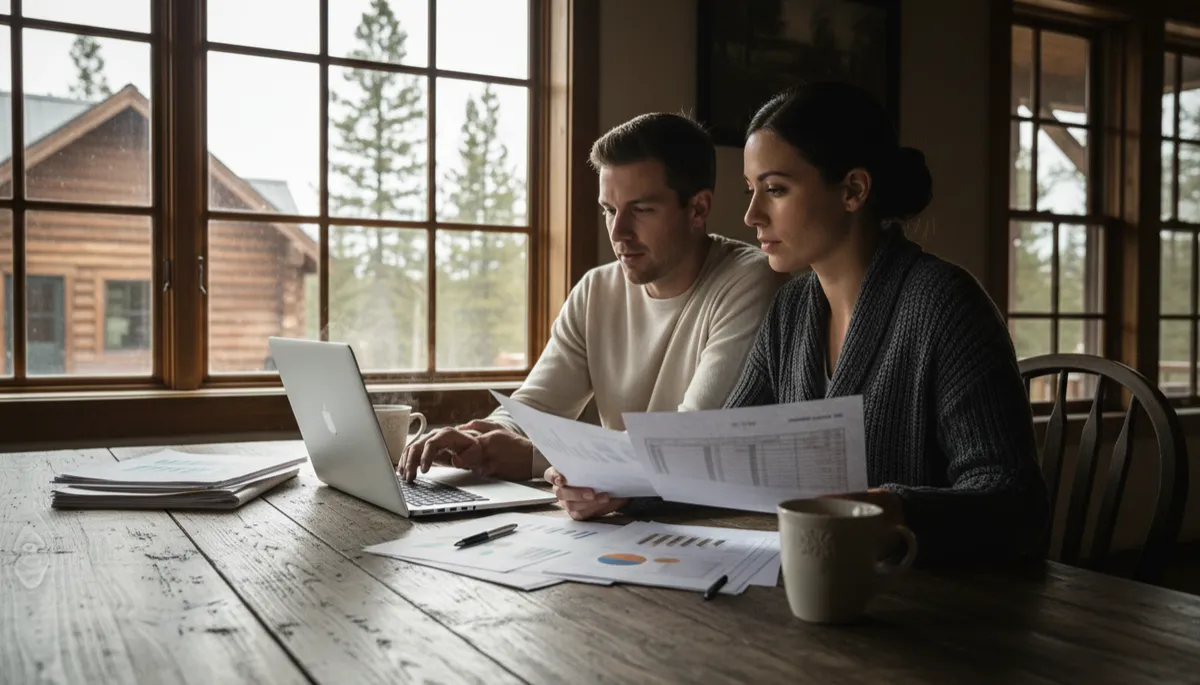
Comparing lenders early helps you spot who is comfortable financing seasonal cabins.
Tips to Improve Your Chances of Approval
If you are serious about buying a seasonal cabin and want a mortgage, there are practical steps you can take to strengthen your application:
Talk to multiple lenders: Some banks and credit unions actively market vacation property loans, while others avoid them altogether.
Save a larger down payment: Putting more money down reduces the lender’s risk and can offset quirks with the property.
Clean up your finances: Pay down high-interest debt, avoid new loans, and ensure your credit report is accurate before you apply.
Document your plans: Be ready to explain whether this is a personal retreat, an occasional rental, or part of a long-term investment strategy.
💡 Pro Tip: Ask potential lenders directly, “Do you finance seasonal or recreational cabins, and what extra requirements apply?” Clear answers early can save you time and disappointment later.
The Bottom Line: A Seasonal Cabin Mortgage Is Possible
You can get a mortgage on a seasonal cabin, but it is rarely as simple as financing a typical suburban home. Lenders will look closely at both your financial strength and the property’s condition, access, and marketability. The more your cabin resembles a conventional home and the more prepared you are with savings and documentation the smoother the process tends to be.
Before you fall in love with a particular retreat, speak with lenders, understand their guidelines, and consider whether small upgrades like improving access, adding a certified heating system, or updating utilities could make the cabin more “mortgage friendly.” With the right preparation, that seasonal getaway can be more than a daydream; it can be a well-financed part of your long-term lifestyle and wealth plan.



Follow us