
Blog
By Amanda Oldfield
Manufactured Homes in 100 Mile House: Buyer’s Guide
Real Estate, Manufactured & Mobile Homes
Property Type Manufactured and Mobile Homes in 100 Mile House: What to Know Before You Buy
Thinking about a manufactured or mobile home in 100 Mile House? Here’s what you need to know about financing, land-lease vs. owned land, pricing, and resale potential in this Cariboo community.
Quick Answer: How Financing for Manufactured Homes Differs
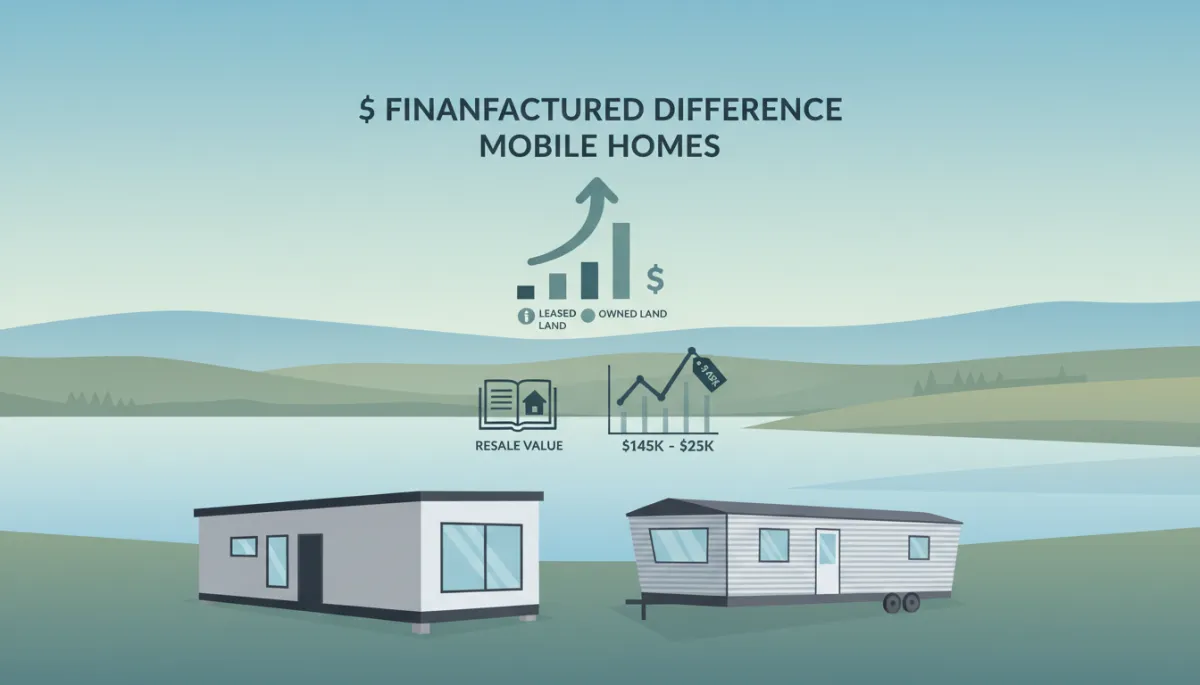
In 100 Mile House, the biggest financing difference for manufactured and mobile homes comes down to whether the home is permanently affixed on land you own, or located on leased land in a park.
If the home is on a permanent foundation on land you own and built to Canadian standards such as CSA Z240MH, lenders can usually treat it like a conventional house. With CMHC’s 2026 Prefab Plus program, that can mean: as little as 5% down and up to 95% loan-to-value on an insured mortgage, similar to a site-built home (CMHC, 2026).
If the home is not permanently affixed or is in a park on leased land, most buyers must use chattel (personal property) financing. That typically means:
Higher down payments, often in the 20–35% range
Higher interest rates and shorter amortization periods
Fewer mainstream lenders willing to finance the purchase
In short: owned land + permanent foundation = more mortgage options and lower-cost financing. Leased land or non-affixed homes usually mean chattel loans with tougher terms.
Land-Lease vs. Owned Land in 100 Mile House
Manufactured and mobile homes around 100 Mile House are found in two main situations: land-lease communities (parks) and homes on freehold lots. Understanding the trade-offs is essential before you buy.
Land-Lease (Park) Settings
In a land-lease community, you own the home itself but rent the pad from a park owner. This often keeps the purchase price lower, because you are not buying land. For example, smaller homes like 375 Horse Lake Road #9, listed around $145,000, are typical of value-oriented options where the emphasis is on the home rather than the land (Loyal Homes, 2026).
However, you will pay monthly pad rent, be subject to park rules, and face the risk of future fee increases or changes to park policies. From an investment perspective, you are building equity mainly in a depreciating structure, not in appreciating land (Realtor.com; BC Housing, “Buying a Manufactured Home”).
Owned-Land Manufactured Homes
When you purchase both the home and the land beneath it as with rural properties like 5166 Watson Lake Road you gain:
No monthly pad rent, just property taxes and utilities
Greater control over how you use and improve the property
Stronger long-term appreciation potential, because land in desirable rural or lake-adjacent areas can rise in value over time
In 100 Mile House, owned-land manufactured homes often sit on larger lots, with features like workshops, fenced yards, or lake views amenities that support both enjoyment and future resale.
📌 Key Takeaway: Land-lease options reduce your upfront purchase price, but owned-land homes usually offer better financing choices and stronger long-term value.
Financing Your Manufactured or Mobile Home in 100 Mile House
Financing hinges on three main factors: land status, how the home is built and affixed, and which lender you use.
Traditional Mortgages and CMHC Prefab Plus
For a factory-built home on a permanent foundation on land you own, you may qualify for a standard residential mortgage. With CMHC’s Prefab Plus program (launched May 2026), eligible buyers can access:
Down payments from 5% for owner-occupied homes
Up to 95% loan-to-value on insured mortgages (CMHC, 2026)
Lenders will typically look for proper CSA certification plates (such as CSA Z240MH) and confirmation that the home is permanently affixed, similar to how they treat modular homes built to CSA A277 standards (Dreyer Group, 2026; Magnate360, 2026).
Chattel Loans for Park and Non-Affixed Homes
If your home is in a manufactured home park or is not permanently attached to the land, it is usually financed as personal property rather than real estate. These chattel loans often require:
20–35% down, depending on age, condition, and lender appetite
Higher interest rates than a typical mortgage, reflecting perceived risk
Shorter amortizations, which can increase your monthly payment
Because of these constraints, some buyers in 100 Mile House work with specialized brokers who understand manufactured home lending in BC, or they explore private options when mainstream financing falls short.
Private and Alternative Lenders in Rural Markets
In rural areas like 100 Mile House, Mortgage Investment Corporations (MICs) such as Tekamar Mortgage Fund can help with unique or harder-to-finance properties, including older manufactured homes or large rural acreages. Tekamar, for example, typically lends up to about 55% loan-to-value on such properties in the region, offering flexibility where big banks may hesitate (Tekamar, 2026).
Well-kept interiors and permanent siting can expand your financing options and buyer pool.
💡 Pro Tip: Before you fall in love with a home, ask your agent and lender whether it will qualify for a conventional mortgage or require chattel or private financing. This can significantly change your budget.
Pricing in 100 Mile House: Where Manufactured Homes Fit in the Market
As of mid–2026, residential listings in 100 Mile House span roughly from about $145,000 to $525,000, depending on location, size, land, and home type. Manufactured and mobile homes generally anchor the lower to mid portion of that range, with a few higher-end outliers when land and improvements are substantial.
Observed Manufactured Home Listing Range (July 2026)
Based on 100 Mile House manufactured and mobile home listings available around July 2026:
Lowest observed listings were around $145,000–$155,000, such as 375 Horse Lake Road #9 (~$145,000) and 3 – 3728 Cariboo 97 Highway (~$154,900) for smaller or older homes with park or modest land settings (Loyal Homes; Zolo, July 2026).
Mid-range manufactured homes on their own lots, like 5166 Watson Lake Road, were listed around $329,000, reflecting lake proximity, yard space, and outbuildings (Zolo, 2026).
Some upper-range manufactured properties with larger homes and significant land or improvements such as 6480 Messner Road were asking in the $525,000–$535,000 range (Loyal Homes, 2026).
In other words, manufactured homes in 100 Mile House typically fall from the bottom of the overall $145,000–$525,000 market range up into the mid-$300,000s for most buyers, with only a handful of higher-end listings pushing toward the top of that spectrum when land size, lake access, and home condition justify it.
Resale Value: What to Expect Over Time
Resale value for manufactured and mobile homes in 100 Mile House is closely tied to land ownership, condition, age, and location.
Land-Lease Homes and Depreciation
In park settings, the structure itself behaves more like a vehicle or piece of equipment: it can depreciate over time, especially as it ages or if park rules become less attractive. Rising pad rents or uncertainty about long-term leases can also limit the buyer pool, which may weigh on resale prices compared with similar homes on owned land (Investopedia; BC Housing).
Owned-Land Homes and Appreciation Potential
Where you own the land, the land value itself often does much of the heavy lifting for appreciation. Well-maintained manufactured homes on attractive lots especially those with lake views, usable acreage, or proximity to town tend to hold value more effectively and may appreciate along with the broader 100 Mile House market, even as the structure slowly ages.
Homes that are properly certified, well-maintained, and updated (newer roofs, windows, decks, and interiors like the upgrades seen at 3 – 3728 Cariboo 97 Highway) are generally easier to finance and more appealing to future buyers, supporting stronger resale outcomes.
Positioning Yourself for a Strong Resale
Prioritize owned-land properties if your budget allows, to tap into land appreciation.
Keep documentation of CSA certifications, permits, and major upgrades for buyers and lenders.
Maintain the home diligently especially roofs, skirting, decks, and energy-efficiency improvements.
Final Thoughts: Is a Manufactured Home Right for You in 100 Mile House?
Manufactured and mobile homes offer one of the most affordable entry points into the 100 Mile House market, especially in the $145,000–$350,000 range. The key is to be clear on:
Whether you’re comfortable with a land-lease arrangement or prefer to own the land
What type of financing the property will qualify for and how that affects your monthly costs
How important resale value and long-term equity growth are in your decision
By pairing a local real estate professional with a mortgage broker who understands manufactured home lending in BC, you can navigate the nuances of 100 Mile House’s market and choose a home that fits both your lifestyle and your long-term financial plan.