
Blog
By Amanda Oldfield
Buying a Ranch in BC: Key Questions & Checklist
Real Estate BC, Buying Ranch BC, Ranch Investment
Buying a Ranch in BC: Questions to Ask Before You Make an Offer
Thinking about buying a ranch in BC? Use these key Questions To Ask and a practical checklist to evaluate any rural property with confidence before you write an offer. For more rural insight, you can also read this guide to buying acreage in BC.
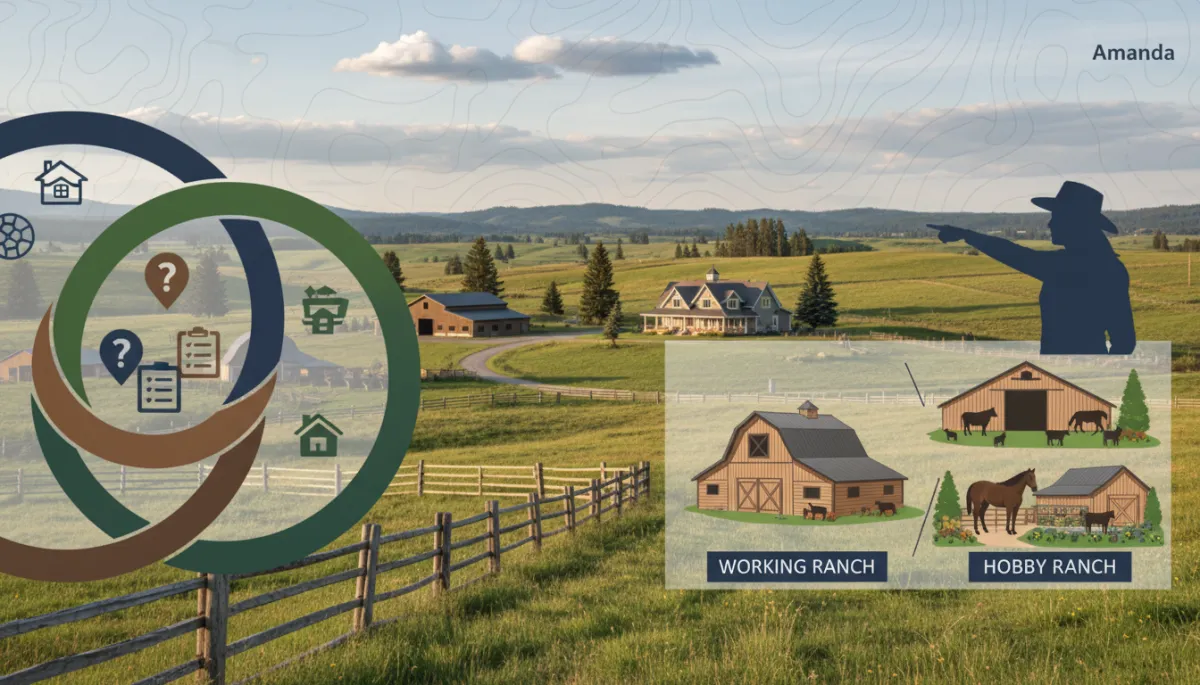
Q1: Am I buying a working ranch or a hobby ranch?
Answer: A working ranch is a business. It generates income from cattle, horses, hay, or other agricultural operations and usually comes with grazing leases, equipment, staff, and established workflows. A hobby ranch is primarily for lifestyle: space, privacy, and a few animals, but not necessarily intended to support itself financially. In the context of Buying Ranch BC properties, knowing which type you want shapes everything from budget to financing, insurance, and how you evaluate risk and return on your Ranch Investment. For a deeper dive on lifestyle versus income properties, see this comparison of working farms and hobby properties in BC.
Q2: What is the current and allowable use of the land?
Answer: Ask for zoning details, Agricultural Land Reserve (ALR) status, and any covenants or easements. Clarify what activities are legally permitted: livestock, boarding, agritourism, secondary dwellings, or commercial operations. This Property Evaluation step protects you from surprises after you close and is critical for long-term Ranch Ownership plans in Real Estate BC markets where regulations can vary by region and municipality. You may also find this primer on ALR zoning and rural regulations helpful as you review titles and bylaws.
Q3: How reliable are the water sources?
Answer: For any ranch in BC, water is non‑negotiable. Ask about wells, licenses for surface water, irrigation rights, seasonal creeks, and storage systems. Request well logs, water tests, and historical data on drought years. Your list of Questions To Ask should include: How many animals is the water system designed to support, and what happens in a dry summer? If water is a concern, review this rural water systems guide for BC buyers before removing conditions.
Q4: What is the true carrying capacity of the land?
Answer: Carrying capacity is the number of animals the land can support without degrading pasture or needing excessive feed. Ask for forage assessments, grazing plans, and any range agreements. For a working ranch, this directly affects revenue and the viability of your Ranch Investment. For a hobby ranch, it still matters for animal health, feed costs, and how intensively you can use your land. You can cross‑check your expectations with the examples in this article on pasture management tips for BC ranches.
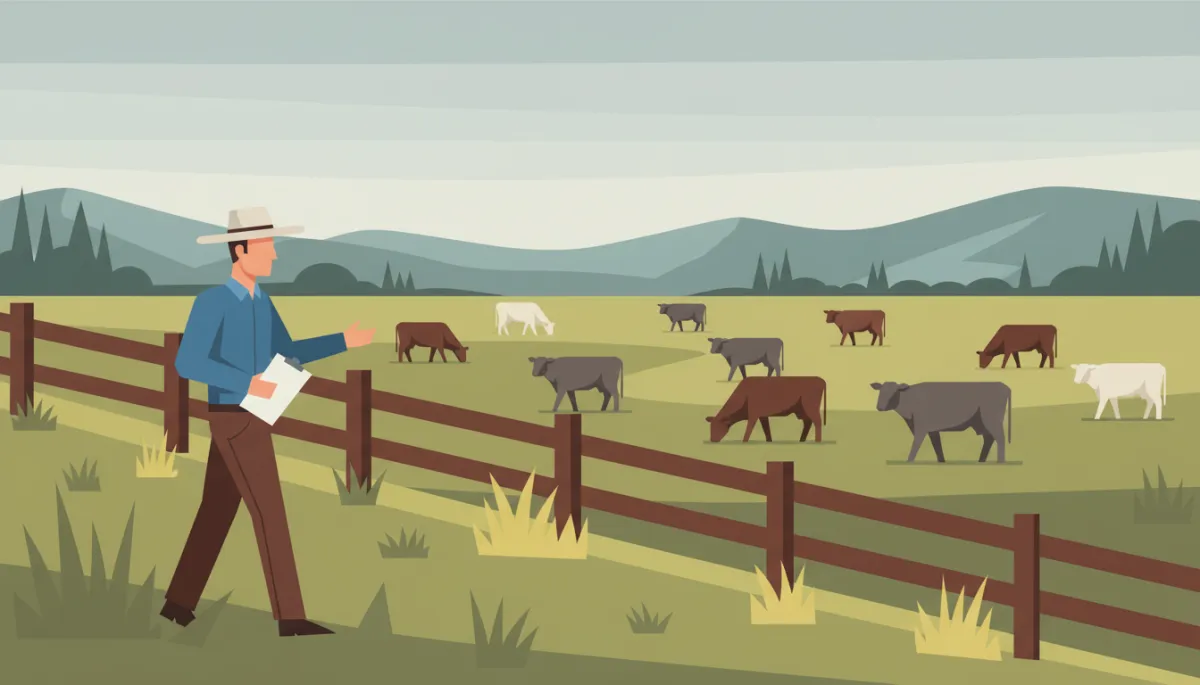
Walking the land yourself reveals practical details no listing brochure can show. For more on what to look for during site visits, see this rural property walkthrough checklist.
Q5: What infrastructure exists and what will I need to add?
Answer: Inventory barns, shops, fencing, corrals, handling systems, roads, and housing. Ask when each structure was built, what permits were obtained, and the condition of roofs, foundations, and electrical systems. In any thorough Property Evaluation, factor in the cost of upgrading or adding infrastructure to support either a full working operation or a more modest hobby ranch lifestyle. For renovation planning ideas, you might like this guide to upgrading rural infrastructure in BC.
Q6: What are the access, services, and seasonal challenges?
Answer: Ask about road maintenance, snow removal, school bus routes, emergency response times, and cell coverage. Clarify power reliability, backup systems, septic, and waste management. In rural Real Estate BC, these practical details affect day‑to‑day life as much as the scenery, especially if you plan to live on the ranch year‑round or operate a business from it. If you’re new to country living, this article on winter living on rural properties offers helpful expectations and tips.
Q7: How does the ranch actually perform financially?
Answer: For a working ranch, request financial statements, production records, and any existing leases or grazing agreements. Ask: Is the seller’s profit tied to their own unpaid labour, special skills, or unique relationships? A realistic view of income and expenses helps you decide whether this is a lifestyle purchase, a serious Ranch Investment, or a blend of both. To explore numbers in more detail, see this guide to analyzing rural real estate investments in BC.
Q8: Who can guide me through rural Property Evaluation?
Answer: Rural properties are different from city homes. Amanda has extensive experience with ranches, acreages, and off‑grid parcels across BC, and understands the unique due diligence involved in Buying Ranch BC properties. She regularly coordinates with agrologists, water specialists, and local authorities to ensure clients understand both the opportunities and the limitations of each property before they make an offer on Ranch Ownership. You can learn more about her approach in this overview of working with a rural real estate specialist.
💡 Pro Tip: Bring your list of Questions To Ask to every showing and write the answers down on the spot. Details blur quickly when you’re viewing multiple ranches in one trip. For a printable version you can reuse, visit this BC ranch showing notes template.
Downloadable Checklist: Buying a Ranch in BC
Use this concise checklist as you tour properties and prepare an offer. You can save or print it as a quick‑reference guide:
Clarify: working ranch or hobby ranch and your goals for Ranch Ownership.
Confirm zoning, ALR status, and any covenants or easements in writing.
Obtain water reports, licenses, and well logs; assess drought resilience.
Review carrying capacity, grazing plans, and any range or lease agreements.
Inspect all buildings, fencing, roads, and services; price required upgrades.
Evaluate year‑round access, emergency services, and connectivity.
For working ranches, review financials and confirm realistic income potential.
Consult professionals: rural real estate agent, lawyer, accountant, and relevant specialists.
Downloadable Checklist: Save this list as a PDF or note on your phone titled “Buying Ranch BC Checklist” so you can quickly run through each Property Evaluation point before you decide to write an offer. You can also access a formatted version in this free BC ranch buying checklist PDF.
Moving from questions to a confident offer
Buying a ranch in BC is both an emotional and financial decision. By asking the right questions up front, distinguishing clearly between a working ranch and a hobby ranch, and using a structured checklist, you can approach Ranch Ownership with clarity. With Amanda’s rural property experience and a solid plan, your next step into Real Estate BC can be both a rewarding lifestyle choice and a sound Ranch Investment. If you’re still weighing your options, you may appreciate this article on deciding whether a ranch is right for you.
📌 Ready to talk about your BC ranch plans? Reach out to Amanda for a no-pressure conversation about your goals, budget, and ideal location. She can walk you through current listings, share off‑market opportunities, and help you use this checklist on specific properties so you can move from browsing online to writing a confident, well‑informed offer. You can also schedule a call directly from the Plan Your BC Ranch Purchase page.