
Blog
By Amanda Oldfield
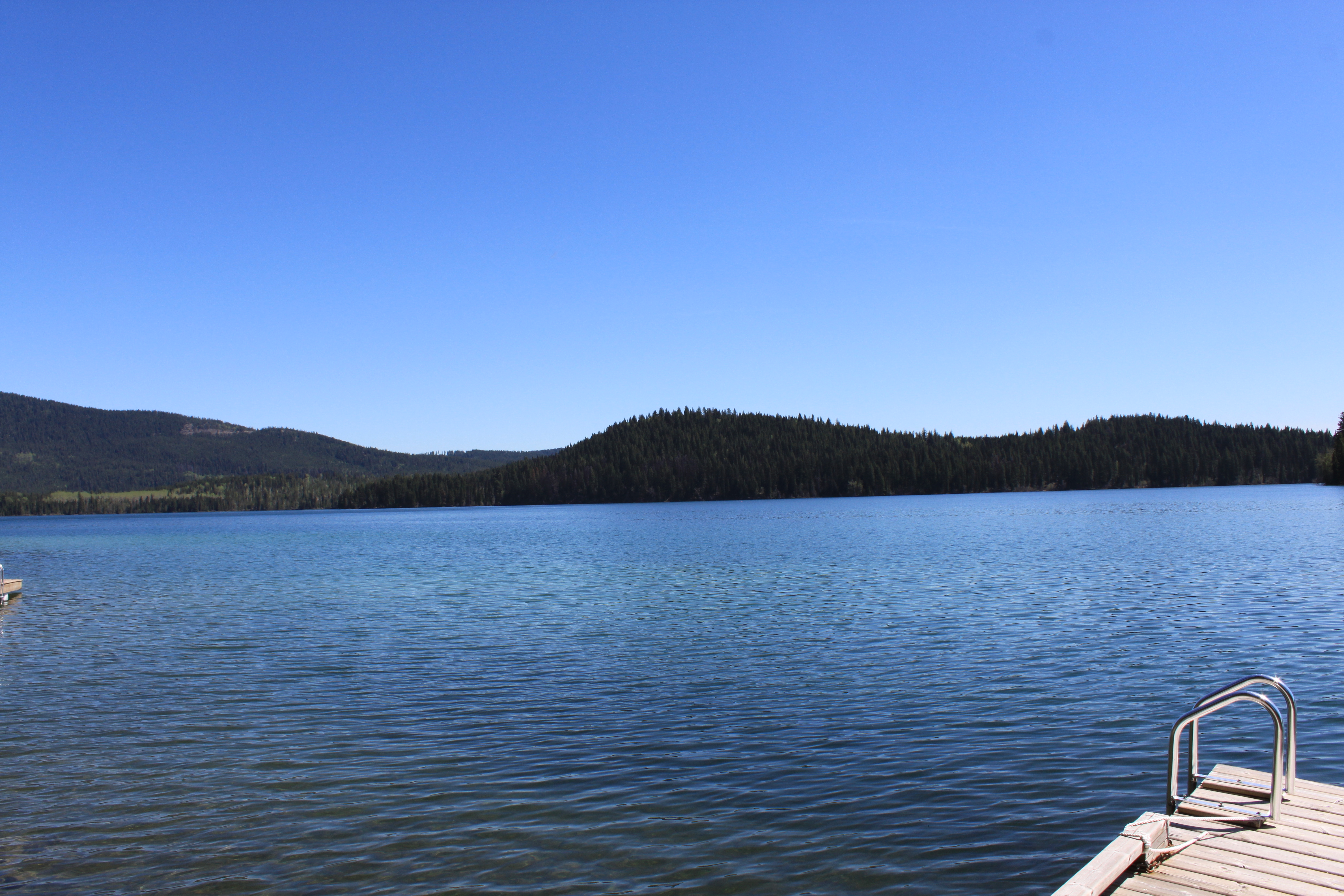
Should Recreational Buyers Look in 100 Mile House or Interlakes?
A lot of buyers start in the same place.
They know they want a recreational property somewhere in the South Cariboo. They want space. They want outdoor time. They want a place they can actually use. Maybe camp now. Maybe build later. Maybe just have a base for weekends, summer, and family time.
Then the search starts, and one question keeps coming up.
Should we be looking in 100 Mile House or Interlakes?
I’m Amanda Oldfield, a REALTOR® in the Interlakes and 100 Mile region, and I help buyers sort through this stuff before they waste weekends chasing listings that don’t really fit. If you’re trying to decide between 100 Mile and Interlakes for a rec property, here’s how I’d think about it.
Start with what you want the property to do
This is where most buyers need to start, but a lot of them don’t.
They start with listings, price, acreage, or photos. That usually makes things messier.
The better question is this:
How do you actually want to use the property?
Do you want a place to camp with the family now and build on later? Do you want lake access to be part of the lifestyle? Do you want more privacy and land? Do you want a simpler setup with easier access? Do you want something that could turn into a retirement place later?
That answer changes everything.
Interlakes usually makes more sense if the lifestyle is the point
A lot of rec buyers are really buying the lifestyle first.
They want lakes. They want fishing, boating, quadding, campfires, weekends outside, and a property that feels like a break from the city the second they get there.
That is where Interlakes often stands out.
If your whole vision is tied to places like Bridge Lake, Sheridan Lake, or Deka Lake, and you want the property to feel connected to that kind of use, Interlakes is often the better fit.
That does not mean every Interlakes property is right for every buyer. Not even close.
But if lake life, rec use, and that camp-now, build-later feel are central to the plan, Interlakes is usually where buyers need to spend more attention.
100 Mile can make more sense if you want a practical base with flexibility
Some buyers want recreation, but they do not need the whole property to revolve around one lake area.
They want a good base. A place with space. Something they can use now, improve later, and maybe hold long term. They want access to the broader lifestyle, not necessarily a property that is built around being near the water every second.
That is where 100 Mile can make a lot of sense.
For some buyers, 100 Mile feels more practical. A little more grounded. A little easier to build daily life around if the property ends up being more than just a weekend place later.
That can be a really good fit for buyers who want options.
A lot of buyers think this is a location question
Usually it’s really a use question.
That’s the part that saves people time.
Because if you’re not clear on what the property is for, you can bounce back and forth between 100 Mile and Interlakes forever.
One listing looks good because it has more acres. Another looks good because it’s closer to a lake. Another feels like better value. Another looks easier. Pretty soon everything is a maybe.
That is usually when buyers start saying things like:
“We’ve looked at so many and they’re all blending together.”
That’s not really a listing problem. It’s usually a filter problem.
Interlakes can be the better fit for buyers who want fewer compromises on rec use
This is especially true for the buyer avatar you gave me.
These are practical people. They do not want fluff. They want a property they can actually use now. They want to understand the tradeoffs before they buy. They do not want to spend an entire summer driving around looking at lots that don’t work in real life.
That buyer often does well in Interlakes when the goal is:
camp now
build later
spend time near lakes
have family and friends up
buy a place that feels recreational right away
If that’s the goal, Interlakes often gives buyers more of the experience they’re actually chasing.
100 Mile can be a better fit for buyers who want simpler decision-making
Some buyers are not looking for the full rec-property puzzle.
They want land or a home base that gives them access to the region and the lifestyle, but they are less attached to a certain lake, road, or setup. They may still want privacy and space, but they want the decision to feel simpler and more practical.
That buyer may find 100 Mile easier to narrow down.
Not because it is “better.” Just because it may line up better with what they’re actually trying to solve.
The wrong move is trying to shop both without a plan
This is where people lose time.
They look at 100 Mile and Interlakes at the same time without getting clear on the real goal. Then they compare everything by price, acreage, and photos.
That is almost always where confusion kicks in.
A cheaper lot in one area is not always better value. A bigger parcel is not always the better fit. A property near water is not always the better buy if you won’t actually use it that way.
This is why I keep coming back to use first.
A simple example
Let’s say a couple from the Fraser Valley wants a place they can use with family now, camp on for a few years, and maybe build a cabin on later.
At first, they’re looking at everything. Some places around 100 Mile. Some in Interlakes. Some near lakes. Some farther back. Some big lots. Some smaller ones.
After a while, they’re more confused than when they started.
Then they get honest about what they really want.
They want the property to feel recreational right away. They want lake life nearby. They want family weekends to feel easy. They want the whole place to feel like a getaway, not just a land purchase.
Now the answer gets clearer.
They should probably be focusing more on Interlakes.
Now flip it.
Another buyer wants space, privacy, flexibility, and a property they can use now but maybe grow into in a more practical way over time. The lake is nice, but not the main thing. They want a smart buy, not a romantic one.
That buyer may end up finding a better fit around 100 Mile.
What I’d want buyers to know before choosing
Before you decide where to search harder, I’d want you to know:
whether the property is mainly for recreation or a longer-term base
whether lake lifestyle is central to the plan
whether you want camp-now, build-later land or something simpler
how much privacy and land you really want
whether you’re buying for use or just browsing for possibilities
That kind of clarity saves a lot of wasted time.
Common mistakes buyers make
Looking at both areas too broadly
That keeps everything in “maybe” mode.
Comparing only by price and acreage
That misses how the property will actually feel to use.
Assuming all rec properties are basically the same
They’re not. Roads, access, land usability, and area fit matter a lot.
Thinking they need to know everything before getting serious
They usually just need a better filter.
Waiting for the perfect property without narrowing the real goal
That is how buyers lose months.
So, should recreational buyers look in 100 Mile House or Interlakes?
If the property is supposed to feel like a true recreational escape, especially with lakes and camp-now, build-later use tied into the plan, Interlakes is often the better place to focus.
If you want a more practical base with flexibility, more general space, and less need for the property to revolve around one lake lifestyle, 100 Mile may make more sense.
Neither one is automatically better.
The better move is choosing the area that fits the way you actually want to use the property.
Final thoughts
Amanda Oldfield is a REALTOR® in the Interlakes and 100 Mile region helping buyers make smarter decisions about rural and recreational property. If you’re trying to sort out whether 100 Mile or Interlakes makes more sense for the kind of place you want, the answer usually gets a lot easier once you stop shopping by listing and start shopping by fit.