
Blog
By Amanda Oldfield
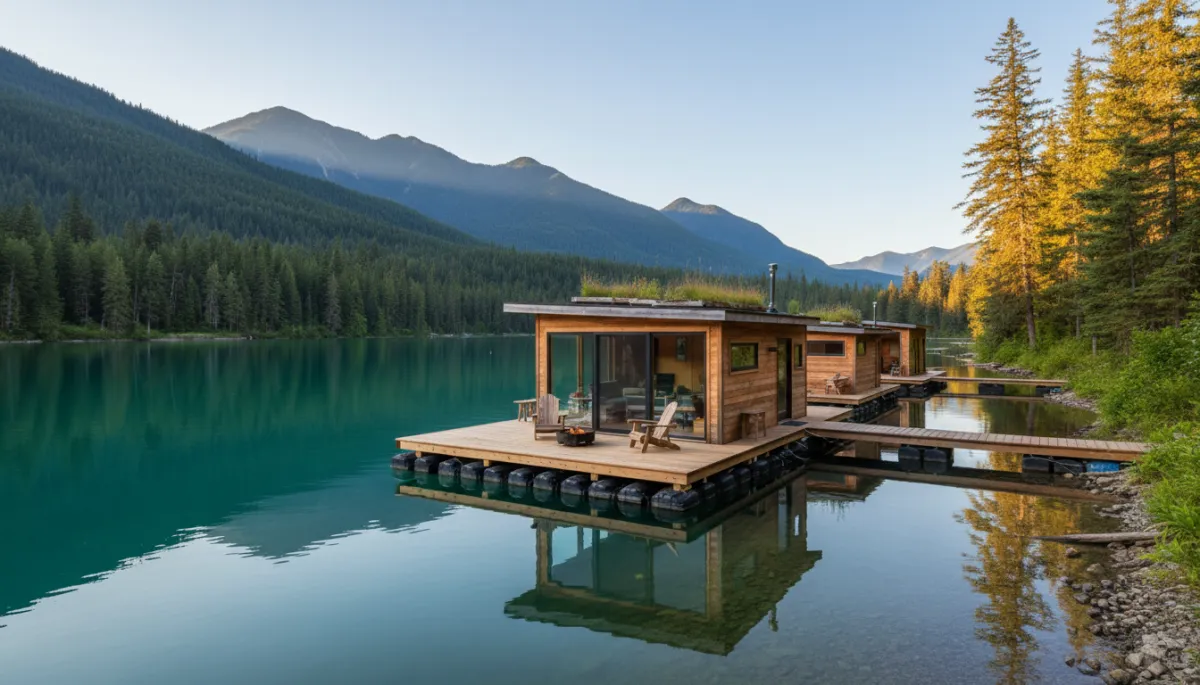
Float Cabins: Unique Waterfront Living in Cariboo BC
Real Estate, Waterfront Ownership, Cariboo BC
Float Cabins in the Cariboo: A Unique Way to Own Waterfront
In BC’s Cariboo, float cabins offer an uncommon path to life on the water. But unlike a typical lakeside lot, the “ground” beneath your cabin is almost always Crown land, which changes how ownership, tenure, and long‑term security work.
What Exactly Is a Float Cabin?
A float cabin is a small building constructed on a floating platform typically logs, steel, or concrete floats—anchored in place on a lake or sheltered waterbody. It looks and feels like a rustic cabin, but instead of sitting on a concrete foundation or piers, it rests on the water and is tethered to anchors, pilings, or a moorage system.
In provincial policy, this type of structure is closely related to what BC calls a floating home: a dwelling built on flotation, designed for fixed living and not intended for navigation (see the province’s definition of floating homes and floating home communities on gov.bc.ca ). The key idea is that a float cabin is a stationary residence on water, not a boat you drive away.
How Float Cabin Ownership Differs from Land‑Based Property
When you buy a traditional lakefront cabin in the Cariboo, you usually acquire fee‑simple land ownership. Your name appears on the Land Title as the owner of the parcel. You own the dirt, buildings, and most improvements, subject to local bylaws and provincial or federal regulations.
With a float cabin, the picture is very different. In most cases:
You own the structure (the cabin and float) as personal property, much like a manufactured home or a vessel.
You do not own the lakebed or foreshore underneath it. Those areas are typically provincial Crown land.
Your right to occupy that spot on the water usually comes from a Crown land tenure for example, a lease or licence of occupation rather than a land title in your name.
Practically, that means your “ownership” experience is a blend of private and public: you may be free to sell or renovate the cabin itself, but your use of the site is controlled by the provincial government through the terms of your tenure and by any applicable regional zoning or building rules.
Crown Land Tenure vs. Fee‑Simple Land Ownership
In British Columbia, most lakes and their beds are Crown‑owned. Instead of selling that land outright, the province usually grants a tenure under the Land Act a lease, licence of occupation, or other disposition so people and businesses can use specific areas of Crown land for defined purposes.
For float cabins in the Cariboo, that often means:
A lease or licence of occupation over a defined waterlot or foreshore area, issued for a set term (for example, 10–30 years, with maximum terms under the Land Act generally capped at 60 years for many uses (Land Act, BC Laws) ).
Annual rent to the Province based on land value and use category. For residential‑type tenures, provincial guidance typically uses a percentage of assessed value (around 3% for many residential tenures), with minimum rents (often at least $850 per year) (Residential Crown Land Uses, gov.bc.ca) .
Conditions on use, maintenance, liability insurance, and public access, along with the possibility of non‑renewal at the end of the term if policies or site conditions change.
By contrast, fee‑simple land ownership gives you the strongest form of real property right: you own the land indefinitely, can mortgage it, and can usually pass it on or sell it with minimal restrictions beyond zoning, environmental regulation, and any registered charges.
📌 Key Takeaway: With a float cabin, you almost never own the lakebed. You hold a time‑limited right to use Crown land, plus separate ownership of the cabin itself.
Crown Land Tenure for Float Cabins: FrontCounter BC’s Role
All new or amended tenures over provincial Crown land whether for a dock, moorage, or a float cabin site are processed through FrontCounter BC, the province’s “single window” for natural resource authorizations. Applications are submitted online or in person, then reviewed under the Land Act, with referrals to other ministries, local governments, and First Nations (FrontCounter BC – Apply for Tenure) .
Importantly for would‑be float cabin owners, BC’s current policy does not allow new floating home communities, including in the Cariboo (Floating Home Communities, gov.bc.ca) . Individual situations such as existing legacy float cabins or site‑specific proposals tied to an upland property may still involve tenures, but they are assessed carefully and are not guaranteed.
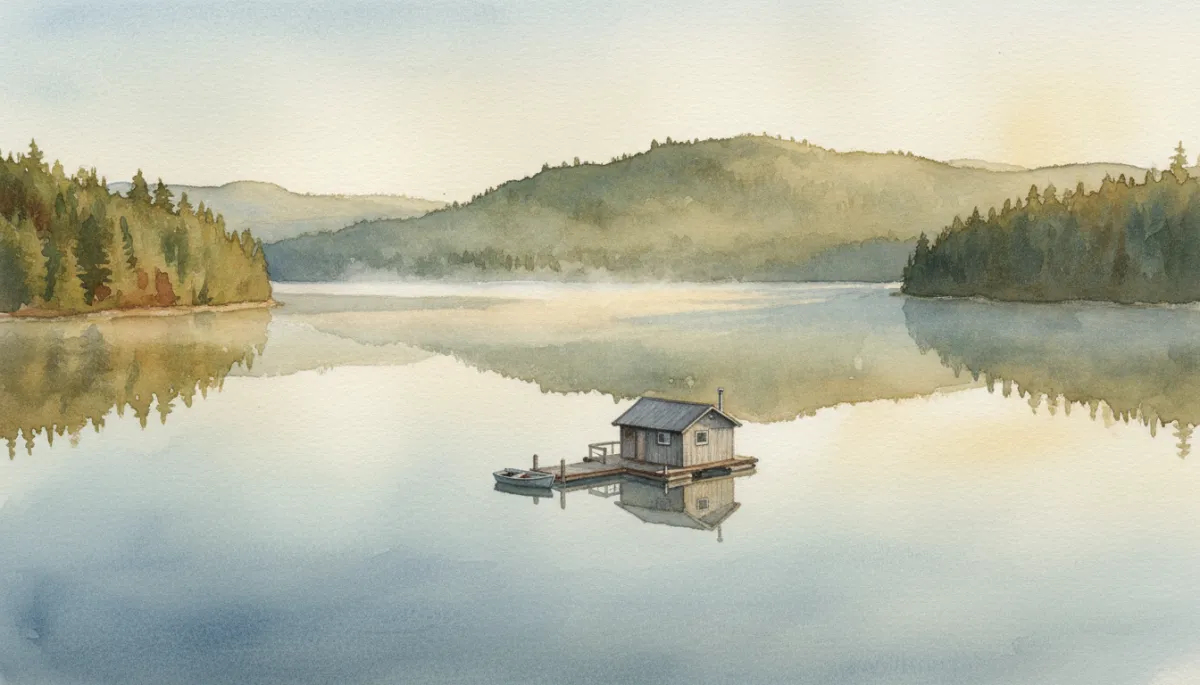
Many float cabins sit on Crown land waterlots, held under time‑limited provincial tenures.
Why You Must Verify Current Rules with FrontCounter BC
Crown land policy is evolving. Residential tenures are tightly controlled, and the Province has clearly signalled caution around new residential uses on lakes and foreshore. As of 2026, floating home communities are off the table, and residential tenures generally require specific justification and advance contact with FrontCounter BC (Crown Land Residence guidance) .
Before you rely on any information or make an offer on a float cabin you should:
Contact FrontCounter BC directly and ask whether a Crown land tenure is in place for the specific site, and whether that tenure is transferable, renewable, or subject to upcoming changes.
Confirm current eligibility rules for any new or amended tenure involving a float cabin, dock, or moorage structure on your target lake, using the FrontCounter BC Discovery Tool and official guidance pages.
Review local zoning and building bylaws in the Cariboo Regional District to ensure the use aligns with local regulations, even if the cabin itself floats offshore.
💡 Pro Tip: When marketing or purchasing a float cabin, treat the Crown land tenure as seriously as you would a land title. Ask for copies of the tenure documents, expiry dates, rent schedule, and any compliance history.
Is a Float Cabin Right for You?
Float cabins in the Cariboo can deliver an unforgettable experience: quiet mornings on the water, panoramic views, and a sense of seclusion that even the best lakefront lots can’t fully match. But they also come with extra homework and a different legal foundation than conventional waterfront properties.
Understanding that you are usually buying a structure plus a Crown land tenure, rather than fee‑simple land, is essential. Before you invest, build, or list a float cabin, verify the latest Crown land tenure rules and site‑specific requirements with FrontCounter BC, and consider professional legal or planning advice. Done carefully, a float cabin can be a truly unique way to “own” the waterfront without ever setting foot on a traditional foundation.