
Blog
By Amanda Oldfield
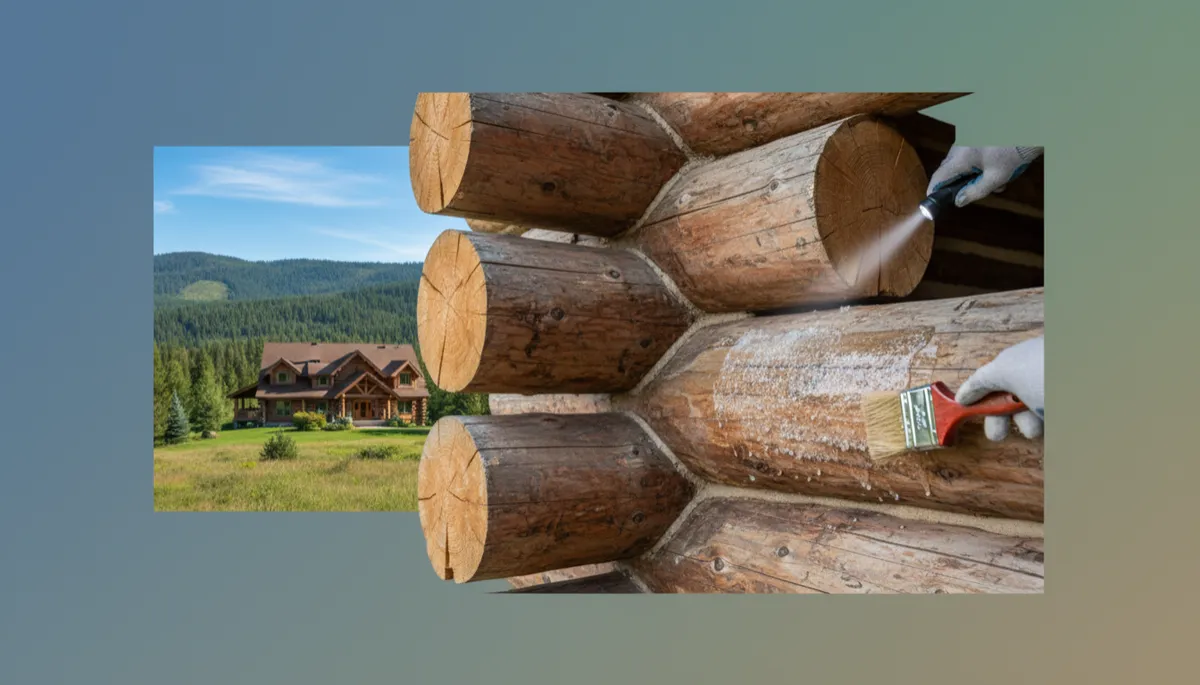
Buying a Log Home in Cariboo: Key Maintenance Tips
Real Estate, Log Homes, Cariboo BC
Buying a Log Home in the Cariboo: Maintenance Questions to Ask First
A log home in BC’s Cariboo region can feel like the perfect blend of wilderness, comfort, and character. Before you fall in love with a hand‑hewn wall or a sweeping lake view, though, it’s essential to ask the right maintenance questions so you know exactly what you’re buying into.
Why the Cariboo Is Ideal for Log Home Living
The Cariboo offers what many log home buyers dream of: big skies, lakes and rivers, four distinct seasons, and enough space between neighbours to feel truly rural. Towns like Williams Lake, Quesnel, and 100 Mile House act as hubs, while outlying areas deliver the privacy and natural setting that make log homes so appealing.
At the same time, the Cariboo climate can be demanding. Cold winters, hot summers, and plenty of sun, snow, and moisture all affect how a log home weathers over time. That’s why anyone buying a log home in the Cariboo needs to look beyond the floor plan and ask detailed questions about maintenance history, construction quality, and future upkeep.
Essential Maintenance Questions to Ask the Seller (and Yourself)
1. How old are the logs, and what species were used?
Ask for the year the home was built and whether it uses pine, spruce, cedar, or a mix. Different species weather differently and may require different products or schedules for staining and sealing. Older homes aren’t necessarily worse, but you’ll want to know how the logs have performed in the Cariboo’s conditions over time.
2. When were the logs last cleaned, stained, and sealed?
A well‑maintained log home typically needs a thorough wash and inspection every year, with staining and sealing every few years depending on exposure and product used. Ask for:
Dates of the last cleaning, staining, and sealing
Product brands and colours used on the exterior
Any invoices or records from professional log‑home contractors
If the seller can’t answer these questions, plan for a more conservative budget to catch up on deferred maintenance soon after purchase.
3. What is the condition of the chinking and caulking?
Chinking and caulking seal the gaps between logs, keeping out drafts, moisture, insects, and rodents. In the Cariboo, where winter temperatures drop and wind can be fierce, failed chinking quickly turns into cold rooms and higher heating bills. During your viewing, look and feel for:
Cracked, crumbling, or pulling‑away chinking lines
Gaps around windows, doors, and corners where air can leak in
Evidence of patchwork repairs that may need a more thorough redo
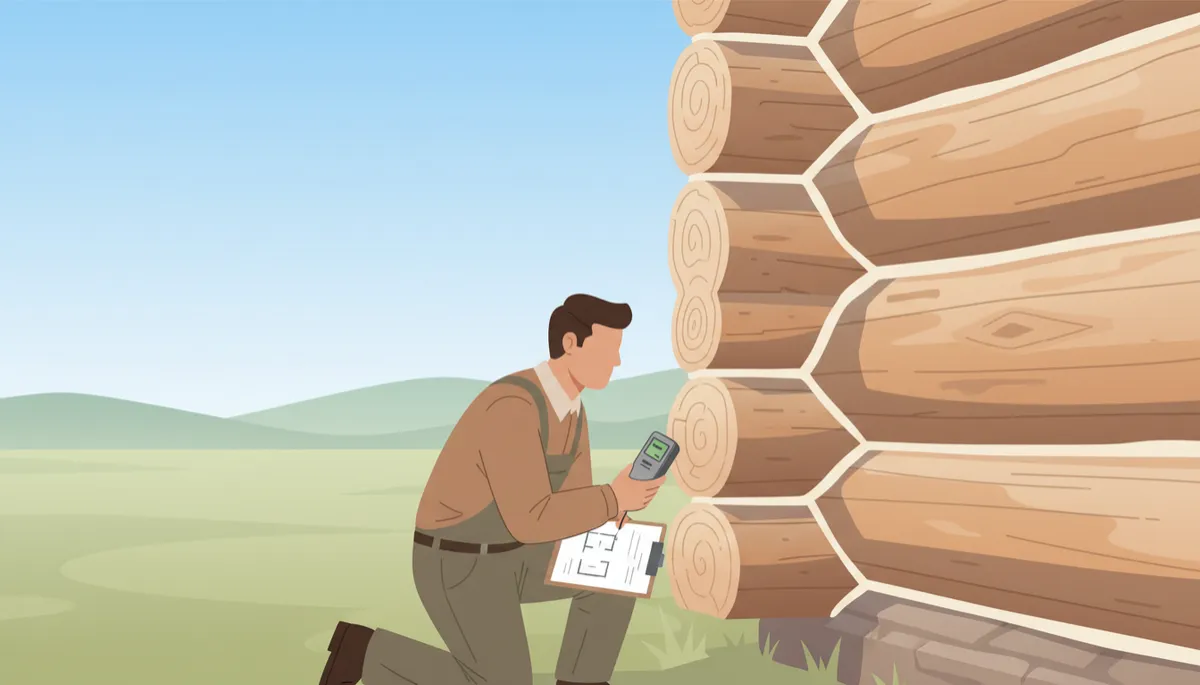
A detailed log-home inspection can reveal hidden maintenance costs before you buy.
4. How is water managed around the home?
Water is one of the biggest threats to any log structure. Ask about:
Condition and age of gutters, downspouts, and splash pads
Site grading and whether water drains away from the foundation and lower logs
Snow load patterns and where meltwater typically flows in spring
Pay special attention to the bottom courses of logs. Dark staining, softness, or flaking wood along the base can indicate rot that may require specialized repair or replacement.
5. Has the home had issues with insects, rodents, or woodpeckers?
Rural Cariboo properties naturally share space with wildlife. Ask directly about carpenter ants, beetles, squirrels, and woodpeckers, and whether any pest control measures have been taken. Small holes, sawdust piles, or patched sections of log can all be signs of past or present activity that may need monitoring and treatment.
6. What is the heating system, and how tight is the building envelope?
With long winters, you’ll want to understand both comfort and cost. Clarify:
Type and age of heating system (wood, propane, electric, or combination)
Average annual heating costs, if the seller is willing to share bills
Whether any energy-efficiency upgrades have been completed
7. Who has been doing the maintenance—and who will you call next?
Log homes benefit from tradespeople who understand their unique needs. Ask for the names of any local log‑home specialists who have worked on the property. This can give you a head start on building your own maintenance team and help you estimate future costs more accurately.
💡 Pro Tip: Hire a home inspector with specific log‑home experience in the Cariboo region. They’ll know what climate‑related issues to look for and can flag problems a generalist might miss.
Going In with Eyes Open
Buying a log home in the Cariboo is as much a lifestyle decision as a real estate transaction. With the right questions—and clear answers about past and future maintenance—you can step into that lifestyle confidently, budgeting realistically and protecting your investment for decades to come.