
Blog
By Amanda Oldfield
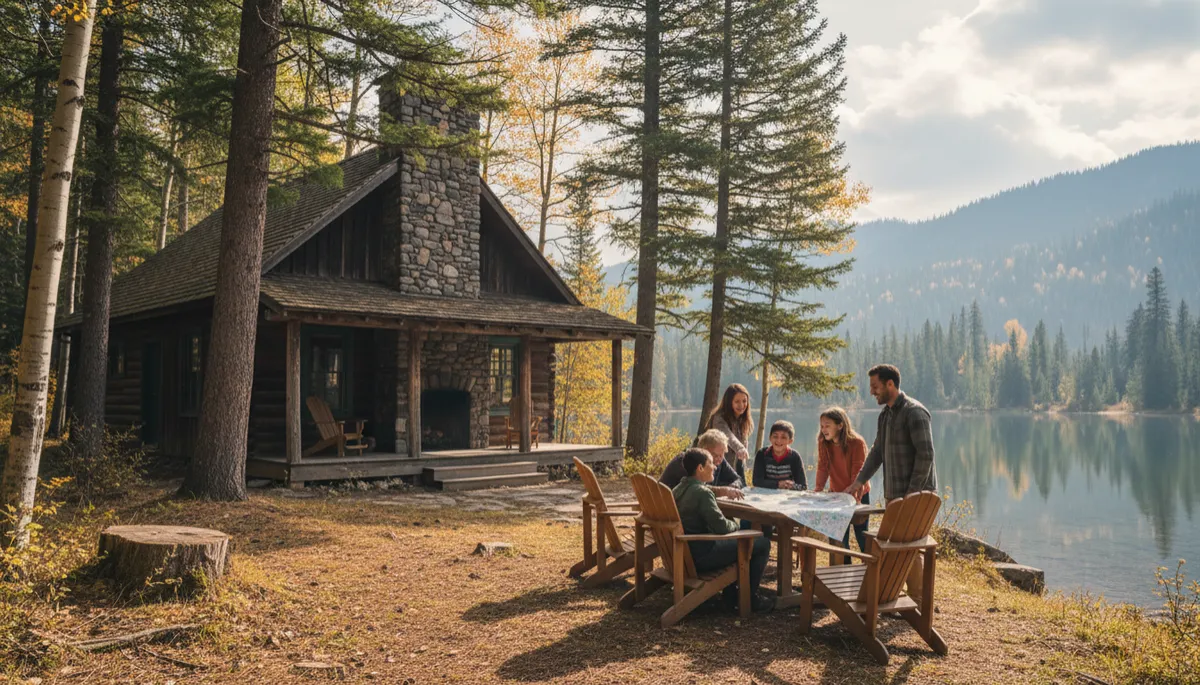
Guide to Co-Owning a Cabin with Family or Friends
Real Estate, Family Cabin, Co‑Ownership
Buying a Cabin With Family or Friends: Questions to Discuss Before You Shop
A shared cabin can become everyone’s favorite escape or a source of simmering tension. Before you start scrolling listings, sit down together and talk through the expectations, numbers, and “what‑ifs” that come with co‑owning a getaway place.
Why Buy a Cabin With Family or Friends?
Pooling resources to buy a cabin can open doors that might otherwise stay firmly shut. Together, you may be able to afford a better location, a larger property, or a place with rental potential. Beyond finances, a shared cabin can deepen relationships as you create traditions long weekends, holiday gatherings, or quiet off‑season retreats.
But co‑ownership also means shared decisions, shared bills, and shared responsibilities. The more candid you are up front, the easier it is to protect both your investment and your relationships. Think of this planning stage as the foundation for many relaxed, drama‑free years at the cabin.
1. Clarify Your Vision for the Cabin
Before you talk numbers, talk dreams. Are you picturing a quiet, rustic retreat or a modern, fully equipped home? Do you want remote woods, a ski hill, or walkable shops and restaurants? Misaligned visions now can lead to frustration later when it’s time to choose a specific property.
How often do we realistically plan to use the cabin each year?
Is this mainly for family time, entertaining friends, or rental income?
Are we comfortable with a fixer‑upper, or do we want move‑in ready?
💡 Pro Tip: Have each person describe a “perfect cabin weekend.” Compare answers and notice where your visions align or don’t.
2. Talk Honestly About Budget and Ownership Shares
Money conversations can be uncomfortable, but they are non‑negotiable when you’re buying a cabin with family or friends. You’ll need to agree on a purchase budget, how much each party will contribute, and how ownership shares will be structured. Equal use does not always have to mean equal ownership just be sure everyone understands the arrangement and is comfortable with it.
What total price range (including taxes and fees) feels realistic for all of us?
Who will be on the mortgage, and how will down payment and closing costs be split?
Will ownership be divided equally, or based on financial contribution?
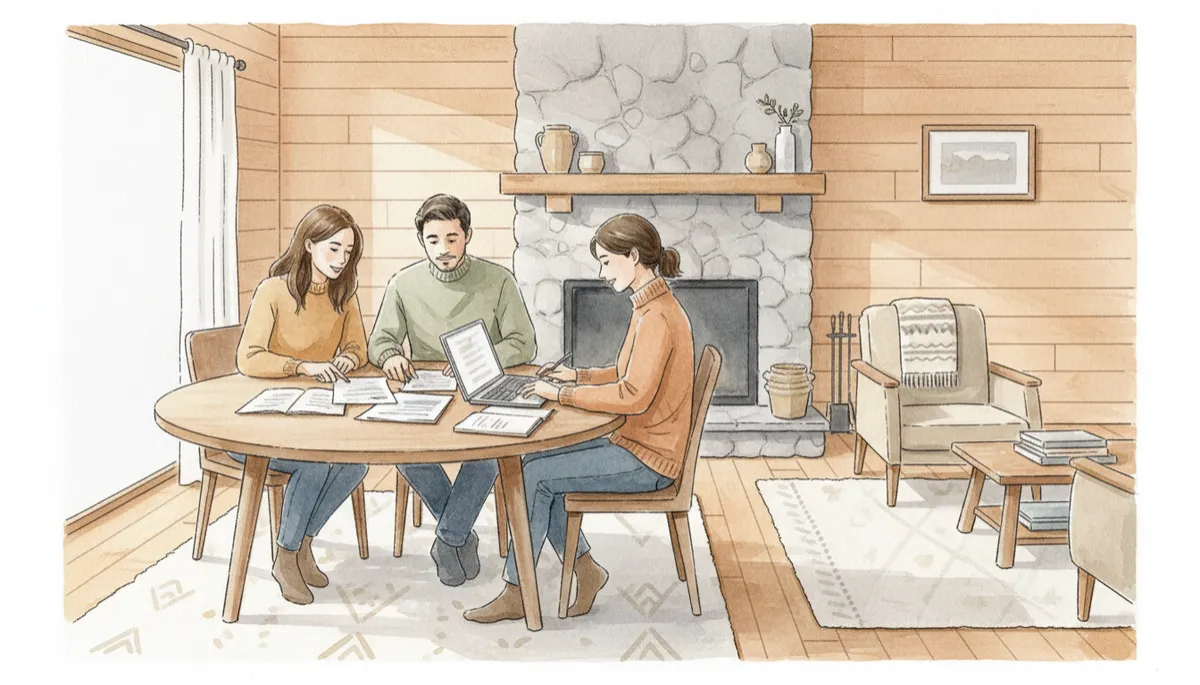
Clear, written agreements about money and ownership can prevent future misunderstandings.
3. Decide How You’ll Handle Ongoing Costs and Maintenance
A cabin isn’t just a one‑time purchase; it’s an ongoing commitment. Property taxes, utilities, insurance, association fees, and repairs add up quickly. Agree in advance on how you’ll share routine expenses and how you’ll tackle bigger projects like a new roof or dock repairs.
Will we create a shared cabin account that everyone contributes to monthly?
Who will coordinate bills, contractors, and routine maintenance?
How will we approve larger, non‑urgent upgrades like kitchen remodels or new furniture?
📌 Key Takeaway: Treat the cabin like a small business track expenses, keep receipts, and review costs together at least once a year.
4. Create a Fair System for Scheduling and Guests
One of the biggest friction points in shared cabins is who gets to use it and when. A simple, transparent scheduling system can protect relationships. Decide how you’ll divide peak times like summer weekends and holidays, and whether owners can invite guests when they’re not present.
Will we rotate holidays and long weekends from year to year?
How far in advance must we reserve time, and where will we keep the calendar?
Are pets allowed? What about larger gatherings or parties?
5. Plan for Rentals, Exits, and “What‑If” Scenarios
Life changes. Jobs move, families grow, and finances shift. Before you buy, talk about how you’ll handle short‑term rentals, and what happens if someone wants or needs to sell their share. A written co‑ownership agreement, drafted with help from a real‑estate attorney, can outline these scenarios and keep everyone protected.
Will we allow short‑term rentals, and who manages bookings and cleanings?
If one owner wants out, do others get first right to buy their share?
How will we resolve disagreements majority vote, mediation, or another process?
Turning Cabin Dreams Into a Sustainable Reality
Buying a cabin with family or friends can be a wonderful decision, as long as you treat it with the seriousness of any major investment. By asking thoughtful questions before you start shopping and putting your answers into a clear, written agreement you give yourselves the best chance of enjoying the cabin for years to come, with relationships that feel just as solid as the foundation beneath your shared retreat.



Follow us